

Introduction Of Chloroprene Rubber
Chloroprene rubber (CR), also known as neoprene rubber, is a versatile synthetic elastomer widely recognized for its excellent durability and resistance to harsh operating environments. Its balanced combination of weather resistance, oil resistance, chemical stability, and mechanical strength makes it a popular choice across automotive, industrial, construction, and electrical sectors.
This article provides a detailed and refined overview of chloroprene rubber, including its basic characteristics, advantages, and major industrial applications, helping users better understand and select this material for real-world use.
0°C, with thicknesses ranging from 4 to 30mm.
1. Basic Characteristics of Chloroprene Rubber
1.1 Chemical Structure
Chloroprene rubber is a polymer produced through the polymerization of chloroprene (2-chloro-1,3-butadiene).
The chlorine atom within its molecular chain enhances stability, giving CR its distinctive resistance to oils, chemicals, and ozone.
1.2 Physical Properties
Appearance: Generally milky white to light yellow, with excellent flexibility.
Density: Approximately 1.23–1.25 g/cm³.
Hardness: Adjustable within 40–90 Shore A, depending on design requirements.
These properties allow chloroprene rubber to be tailored for seals, gaskets, hoses, and vibration-absorbing components.
1.3 Thermal Properties
Glass transition temperature: Around –45°C, enabling good low-temperature flexibility.
Operating temperature: Suitable for long-term use between –30°C and 120°C without significant degradation.
1.4 Mechanical Properties
Tensile strength: Typically 10–25 MPa.
Elongation at break: Around 600%–800%, providing excellent elasticity.
Wear resistance: CR performs well in abrasive environments, making it suitable for dynamic sealing and mechanical components.
2. Performance Advantages of Chloroprene Rubber
2.1 Outstanding Weather Resistance
CR maintains its elasticity and stability under prolonged exposure to UV radiation, ozone, and climate variations. This makes it ideal for outdoor applications.
2.2 Oil and Fuel Resistance
Chloroprene rubber is compatible with many petroleum-based fuels, lubricating oils, and hydraulic oils, making it a reliable material for the automotive and machinery sectors.
2.3 Chemical Stability
CR withstands exposure to acids, alkaline solutions, and various solvents. This broad chemical resistance expands its suitability in industrial and chemical environments.
2.4 Excellent Ozone Resistance
Chloroprene’s molecular structure provides inherent resistance to ozone cracking, ensuring long service life in high-ozone environments.
2.5 Flame Retardant Properties
CR offers natural flame-retardant behavior, contributing to safer operation in electrical, transportation, and construction applications.
2.6 Good Adhesion
Chloroprene rubber demonstrates reliable self-adhesion and can bond effectively with many substrates, benefiting manufacturing processes requiring adhesive properties.
3. Application Areas of Chloroprene Rubber
3.1 Automotive Industry
Sealing Components: Used for engine seals, window seals, and weatherstrips due to its oil and weather resistance.
Hoses: CR hoses transport fuel, lubricants, and hydraulic fluids efficiently.
Vibration Pads: Excellent elasticity makes it suitable for suspension systems and anti-vibration components.
3.2 Industrial Machinery
Conveyor Belts: Favored in mining, port handling, and chemical processing industries for abrasion resistance.
Rubber Rollers: Widely used in printing, textile, and paper production lines.
Gaskets and Seals: Offer chemical resistance and durability in various types of industrial equipment.
3.3 Construction and Infrastructure
Waterproofing Materials: CR-based membranes and sealants are essential in waterproof construction.
Pipe Seals: Used in water supply and drainage systems for reliable long-term sealing.
Sound Insulation: CR materials provide good sound absorption and are used in acoustic applications.
3.4 Electronics & Electrical Applications
Wire and Cable Sheathing: Provides flame retardancy and high-temperature resistance.
Insulating Components: Suitable for motors, transformers, and power equipment.
Electronic Seals: Protect electronic devices from dust, moisture, and chemicals.
3.5 Additional Specialized Uses
Aerospace: Applied in seals and anti-vibration components exposed to extreme environments.
Food Machinery (Food-grade CR): Used in seals and gaskets that require oil and chemical resistance.
Medical Devices: Suitable for chemical-resistant, durable sealing parts.
3.6 Related Standard Sealing Components
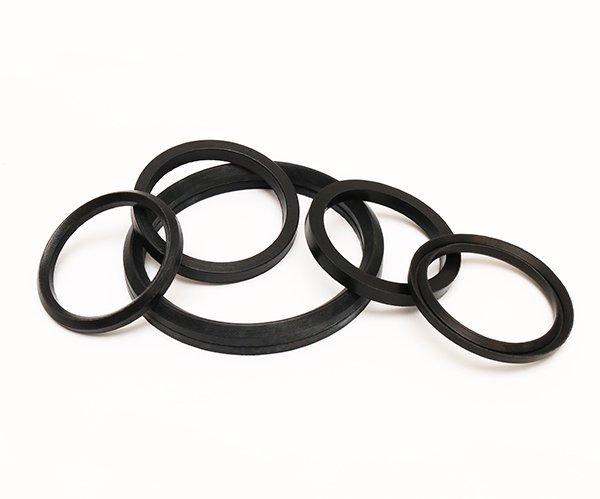
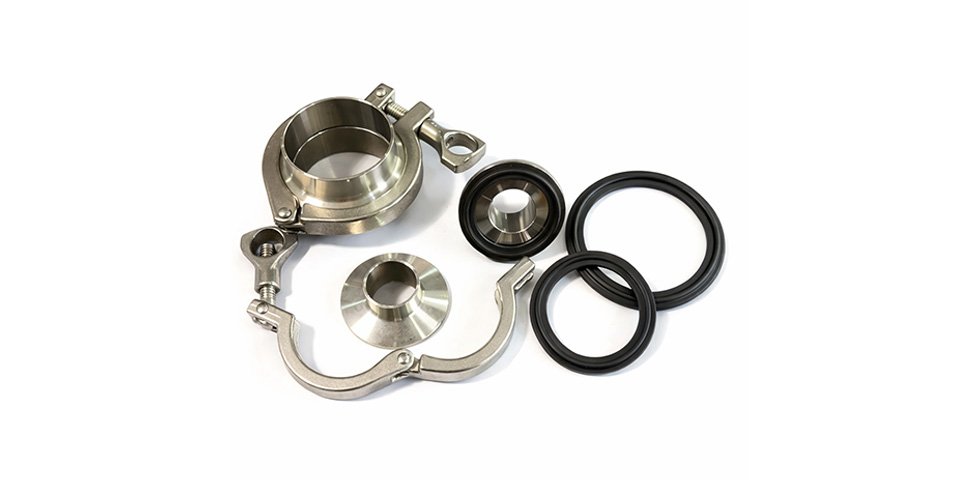
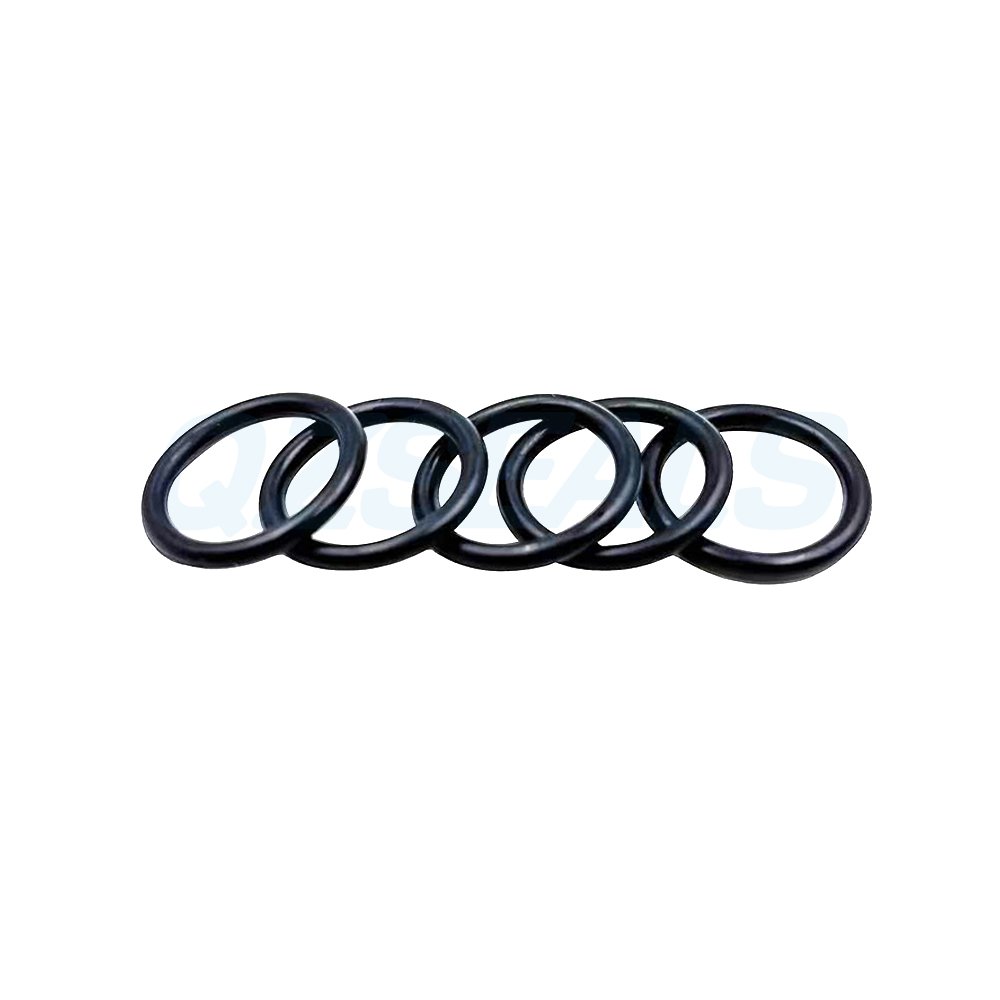
During the seal design process, engineers often rely on standard O-rings to ensure stable performance in hydraulic, pneumatic, and industrial systems. These rings provide reliable sealing in both static and dynamic conditions, and are widely used in applications ranging from agricultural machinery to excavators and precision dispensing equipment.
For readers looking for detailed specifications or material options such as NBR, FKM, or EPDM, we also offer a full range of O-rings here:
👉 O-ring Rubber Seals / Rubber Rings
https://qzsealings.com/product/o-ring-rubber-seals-rubber-rings/
This internal resource helps users quickly compare sizes, materials, and operating conditions when selecting the right sealing solution.

4. Selection Recommendations
4.1 Based on Application Environment
Choose chloroprene rubber when the application requires:
Oil resistance
Chemical resistance
Ozone and weather resistance
Flame retardancy
4.2 Installation & Maintenance Tips
Install CR seals according to manufacturer guidelines to ensure optimum sealing performance.
Perform regular inspection and replacement to maintain long service life and equipment reliability.
4.3 Cost Effectiveness
Although CR is more expensive than some standard elastomers, its long lifespan and stable performance deliver strong long-term economic value.
Conclusion
Chloroprene rubber is a high-performance elastomer known for its versatility, durability, and resistance to demanding environments. With excellent weatherability, oil resistance, chemical stability, and flame retardancy, CR plays a vital role across automotive, industrial, construction, electrical, and many other critical applications.
Understanding its characteristics and advantages helps engineers, buyers, and manufacturers make informed material choices and maximize product performance.
At QZSEALS, we supply a wide range of sealing products—including custom and standard rubber seals—to support industries that rely on materials like chloroprene rubber for long-term reliability. Our solutions help users select the right sealing components and achieve stable performance across diverse operating conditions.