


1. Introduction: Why Gaskets and Seals Matter
In almost every industrial system, from simple water pipelines to complex hydraulic power units, sealing is a fundamental requirement. Without reliable sealing solutions for oil and gas pipelines or chemical plants, equipment would suffer from leakage, contamination, pressure loss, corrosion, and ultimately system failure. This is why, according to the standard gaskets definition in mechanical engineering, these components are regarded as critical mechanical interfaces rather than mere auxiliary parts. By establishing a robust barrier between mating surfaces, gaskets and seals ensure the long-term integrity and safety of the entire process.
Although small in size, gaskets are used in enormous quantities across industries. Understanding the definition of gaskets in mechanical engineering, how gasket sealing mechanism explained in technical terms, and how to choose the right seal and gasket is essential for engineers, designers, maintenance personnel, and procurement professionals. This article is written as a comprehensive technical guide to help you navigate how gasket seals work in industrial systems.
2. Gaskets Definition: What Is a Gasket?
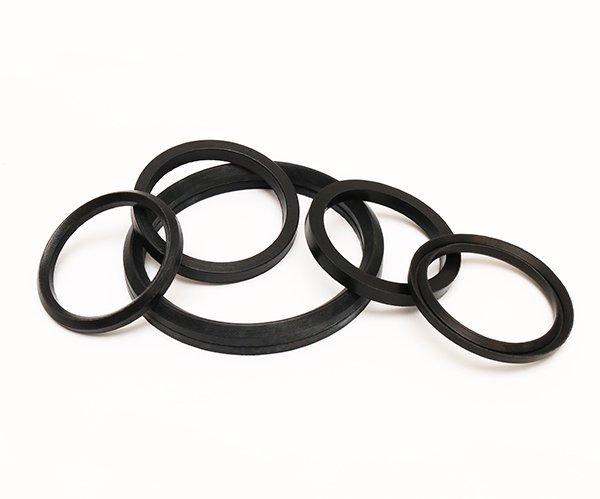
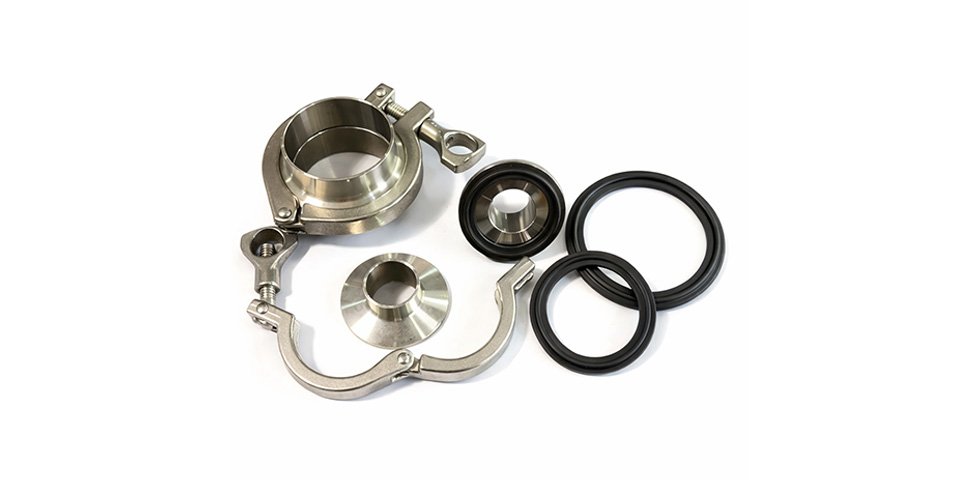
A gasket is a mechanical sealing element installed between two mating surfaces to prevent the leakage of fluids (liquids or gases). By being compressed between these surfaces, gasket seals deform to fill surface irregularities, creating a tight and reliable seal. This process is known as gasket sealing.
In simple terms, gaskets act as an interface that improves the functionality of two connected components. While materials, shapes, and designs vary widely, the core function remains the same: to maintain sealing integrity under specific operating conditions such as pressure, temperature, and chemical exposure.
Although gaskets are often discussed together with seals, gaskets and seals are not exactly the same. Gaskets are typically used for static sealing applications, whereas seals may also be used in dynamic environments involving motion. However, in many industrial contexts, the terms seal and gasket or seals and gaskets are used collectively to describe sealing products.
3. Seal or Gasket: Understanding the Key Differences
Choosing between a seal or gasket depends primarily on the operating conditions and the type of motion involved.
3.1 Gaskets
Gaskets provide static vs dynamic sealing solutions where the mating surfaces do not move relative to each other. They rely on external clamping force, such as bolts, to generate sealing pressure. Common examples include flange gaskets and casing gaskets.
3.2 Seals
Seals are often used in dynamic applications, where one or more components move relative to each other. Examples include shaft seals, piston seals, rod seals, and rotary lip seals. These are designed to accommodate motion while maintaining sealing performance.
In many real-world systems, both components are used together. For example, a hydraulic assembly may combine a hydraulic gasket for flange sealing with dynamic seals for pistons and shafts. This integrated use of gaskets and seals ensures complete system protection.
4. Gasket Sealing Mechanism Explained
The gasket sealing mechanism explained simply is a matter of proper compression. When installed, the applied bolt load compresses the gasket material, allowing it to conform to surface irregularities and block potential leakage paths.
Several factors influencing gasket sealing performance include:
- Bolt load and tightening method.
- Surface finish and flatness of mating components.
- Gasket material compressibility and resilience.
- Operating pressure and temperature.
- Preventing gasket extrusion in high pressure valves through proper design.
If compression is insufficient, leakage may occur. If compression is excessive, the gasket may be damaged, extruded, or experience premature failure. Proper design and installation are therefore critical for reliable gasket seals.
5. Main Functions of Gaskets
5.1 Sealing and Leakage Prevention
The primary role of gasket seals is to prevent leakage of liquids or gases. This is essential for safety, environmental protection, and equipment efficiency.
5.2 Compensation for Surface Irregularities
Even precision-machined surfaces contain microscopic imperfections. Gaskets deform under load to compensate for these irregularities, ensuring consistent contact.
5.3 Vibration and Noise Reduction
By absorbing vibration between connected components, gaskets help reduce noise and mechanical wear.
5.4 Load Distribution and Protection
Gaskets distribute clamping forces evenly, protecting flanges and sealing surfaces from localized stress and damage.
5.5 Safety Function
In many systems, gaskets are designed as sacrificial elements. Controlled gasket failure can prevent catastrophic equipment damage in overpressure situations.
6. Types of Gaskets and Their Applications
Gaskets are commonly classified by material and structure.
6.1 Non-Metallic Gaskets
Non-metallic gaskets are flexible, lightweight, and suitable for a wide range of applications.
Common types include:
- Rubber gaskets
- PTFE gaskets
- Non asbestos gaskets
- Flexible graphite gaskets
- Red steel paper gaskets
- FEP gasket products
- Oil-resistant asbestos gaskets
These gaskets are widely used in pipelines, pumps, valves, chemical equipment, and food-grade systems.
6.2 Metallic Gaskets
Metal gaskets are designed for extreme operating conditions.
Typical examples:
- Metal flat gaskets
- Metal corrugated gaskets
- Metal ring gaskets
- Metal O-ring gaskets
They are commonly used in high-pressure and high-temperature environments such as oil & gas, petrochemical, and power generation industries.
6.3 Metal–Non-Metal Composite Gaskets
Composite gaskets combine the strength of metal with the sealing ability of softer materials.
Examples include:
- Spiral wound gaskets
- Metal clad gaskets
- Corrugated metal composite gaskets
These designs offer excellent sealing performance across a wide pressure and temperature range.
7. Hydraulic Gasket Applications
A hydraulic gasket is specifically designed for fluid power systems. These high-pressure hydraulic gasket applications involve extreme cycling and exposure to oils. Hydraulic gasket seals for high pressure systems must resist chemical degradation and compression set. They are often used together with dynamic seals to ensure long-term reliability.
8. Gasket Materials and Performance Characteristics
8.1 PTFE and FEP Gaskets
PTFE and FEP gasket materials provide outstanding chemical resistance, low friction coefficients, and wide temperature ranges. They are ideal for aggressive chemical media and hygienic applications.
8.2 Non Asbestos Gaskets
Due to health and environmental concerns, traditional asbestos gaskets have been replaced by non asbestos gaskets. These materials offer excellent sealing performance without the risks associated with asbestos exposure.
Non-asbestos fiber gaskets are commonly manufactured and tested in accordance with ASTM gasket material standards to ensure consistent performance.
8.3 Elastomer Materials
Elastomer-based gasket materials are widely used in gaskets and seals applications:
- NBR: excellent oil and fuel resistance
- EPDM: strong resistance to steam, water, and weathering
- FKM: high-temperature and chemical resistance
- Silicone: wide temperature range and food-grade compatibility
8.4 Metal Materials
Metal gasket materials include stainless steel, carbon steel, copper, nickel alloys, and specialty metals selected according to pressure, temperature, and corrosion requirements.
9. Industries That Use Gaskets and Seals
Oil & Gas: Requires robust sealing solutions for oil and gas pipelines.
Food & Beverage: Utilizes FDA compliant gaskets for food and beverage.
Pharmaceutical: Relies on pharma grade sanitary gaskets and seals.
Automotive: Focuses on specialized automotive gasket materials and selection.
10. Gasket Selection Principles
Selecting the correct gasket requires careful evaluation of:
- Operating pressure and temperature
- Sealed medium characteristics
- Flange design and surface finish
- Installation and maintenance conditions
- Required service life
Choosing the right seal and gasket combination reduces downtime, improves safety, and lowers total cost of ownership.
11. Gasket Sealing vs Adhesives
Traditional gasket seals remain preferred over adhesives in industrial settings due to ease of maintenance and the predictable maintenance and replacement cycle for industrial gaskets.
12. Maintenance and Service Life of Gaskets
Gaskets are subject to aging, compression set, chemical attack, and thermal degradation. Regular inspection and replacement during scheduled maintenance are essential to ensure continued sealing performance.
Choosing the correct gasket material and design significantly extends service life and reduces the risk of unexpected leakage.
13. Revisiting the Gaskets Definition
Defining a gasket is challenging due to the wide range of materials, designs, and applications. However, the fundamental purpose remains consistent: to create a reliable sealing interface between two surfaces.
Whether used as part of a gasket sealing system, a hydraulic gasket assembly, or an integrated gaskets and seals solution, gaskets play a vital role in industrial reliability and safety.
14. Conclusion: Gaskets and Seals as the Foundation of Reliable Systems
Understanding how gasket seals work in industrial systems enables engineers to make informed decisions that prevent costly downtime. By following strict gasket selection principles for flange connections and actively preventing gasket extrusion in high pressure valves, industries can achieve maximum mechanical reliability.
As a professional supplier, QZSEALS is committed to providing high-quality sealing solutions for oil and gas pipelines, FDA compliant gaskets for food and beverage, and specialized hydraulic gasket seals for high pressure systems. With a deep technical understanding of how to choose the right seal and gasket, we ensure your system remains integral even in the most demanding environments. Whether you are optimizing a maintenance and replacement cycle for industrial gaskets or designing new pharma grade sanitary gaskets and seals, QZSEALS is your partner for precision and safety.