

Inflatable Seals: Structure, Working Principle, and Applications
Inflatable seals, also known as air bladder seals, are hollow elastomeric components that can expand or contract by inflation and deflation. They are widely used in applications that require reliable, controllable sealing under variable conditions. This article introduces their key features, working principles, materials, and industrial applications.
For more details on pneumatic sealing standards, visit the International Organization for Standardization (ISO).
1. Key Features of Inflatable Seals
Inflatable seals are designed with a hollow cavity that allows expansion when air or fluid pressure is applied. Below are their main characteristics:
1.1 Hollow Structure
The inner cavity can be inflated or deflated through an air valve or nozzle. This structure allows the seal to expand elastically to fill gaps and create a tight seal.
1.2 Elastic Expansion
When inflated, the seal presses firmly against the sealing surface, ensuring a high degree of tightness. Once deflated, it returns to its original shape, allowing for easy installation, removal, or component movement.
1.3 Multiple Cross-Section Designs
Inflatable seals can be designed with different profiles—round, rectangular, trapezoidal, or M-shaped—depending on the sealing groove and application requirements.
1.4 Excellent Airtightness
The internal air pressure provides uniform sealing force, ensuring outstanding airtight performance even under dynamic or irregular surfaces.
2. Main Functions and Applications
Inflatable seals are versatile and can perform several key functions across industrial, aerospace, and research fields.
2.1 Leakage Prevention
Their primary role is to seal gaps between two components, preventing the escape of gases, liquids, or powders. They are commonly used in pipelines, valves, pumps, test chambers, and cleanroom doors.
2.2 Vibration and Shock Absorption
The air cushion structure can absorb impact and vibration. This feature helps protect equipment, reduce noise, and prolong service life, especially in machinery with frequent motion.
2.3 Adjustable Sealing Pressure
The sealing performance can be fine-tuned by adjusting the internal pressure. This makes the system adaptable to different working conditions, such as varying pressure or temperature environments.
2.4 Pneumatic Actuation
In some cases, inflatable seals can function as pneumatic actuators, using air pressure to move or control other components, offering potential for automation and remote control systems.
3. Common Materials Used in Inflatable Seals
The choice of material depends on the application’s temperature, medium, and environmental conditions. The most common materials include:
3.1 Silicone Rubber (VMQ)
Known for its excellent thermal stability and chemical resistance, silicone is ideal for high-temperature and cleanroom environments.
3.2 EPDM (Ethylene Propylene Diene Monomer)
EPDM offers outstanding weather, ozone, and aging resistance, making it suitable for outdoor or UV-exposed applications.
3.3 Nitrile Rubber (NBR)
NBR is highly resistant to oils and fuels, and provides good mechanical strength, making it ideal for sealing hydraulic or oil-based systems.
4. Working Principle of Inflatable Seals
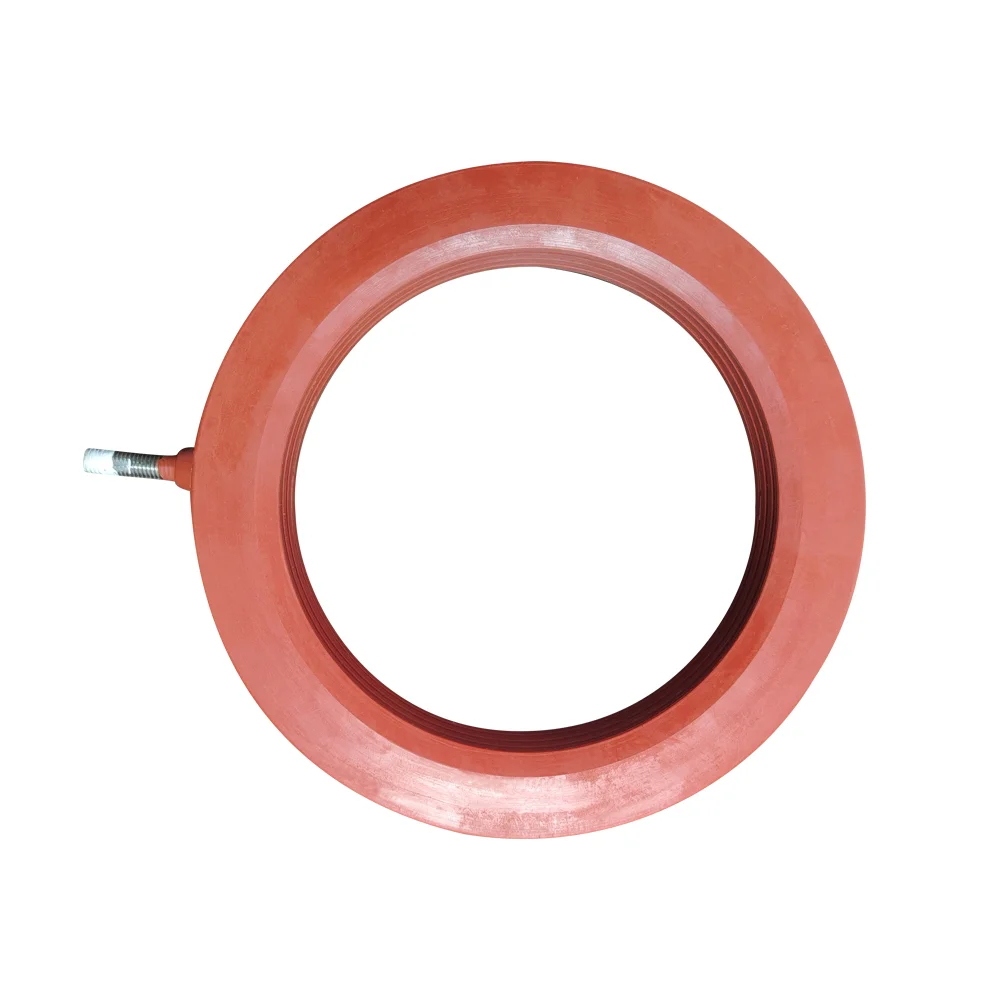
Inflatable seals operate by using internal pressure to expand the elastomeric body. When air or gas is pumped into the seal, the hollow core inflates, causing the outer surface to press tightly against the mating surface.
The elastic material conforms to surface irregularities, ensuring complete sealing. Once the pressure is released, the seal contracts and detaches smoothly, allowing movement or component separation.
This reversible action makes inflatable seals ideal for systems that require frequent opening and closing, such as hatch doors, test chambers, and isolation systems.
5. Typical Industries and Applications
Inflatable seals are used across a wide range of industries:
Aerospace and Defense: Airlock doors, test chambers, satellite equipment
Pharmaceutical and Food Processing: Sterile doors, cleanroom sealing, hygienic containment
Automotive and Mechanical Engineering: Vibration isolation, leak testing systems, robotic sealing
Marine and Energy: Watertight compartments, hydraulic gates, offshore equipment
Their ability to deliver a dynamic, reusable, and pressure-controlled sealing solution makes them a preferred choice in modern engineering systems.
6. Advantages of Inflatable Seals
Reusable and long-lasting
High adaptability to irregular surfaces
Low closing force required
Precise control of sealing pressure
Easy maintenance and replacement
Conclusion
Inflatable seals combine flexibility, reliability, and control. By simply adjusting the inflation pressure, they provide superior sealing performance across complex applications. Whether for airtight chambers, vibration damping, or automated systems, inflatable seals represent a smart and efficient solution for modern industry.
At QZSEALS, we specialize in designing and manufacturing high-quality inflatable seals tailored to your specific industrial or pneumatic needs. With over 10 years of experience in sealing technology, our team ensures precision, durability, and optimal performance for every application. From custom designs to standard solutions, QZSEALS delivers reliable sealing products that help industries operate safely and efficiently.
For additional sealing solutions, visit our rubber diaphragms page or explore other custom pneumatic seals to find the right solution for your system.