

A Complete Technical Guide by QZSEALS
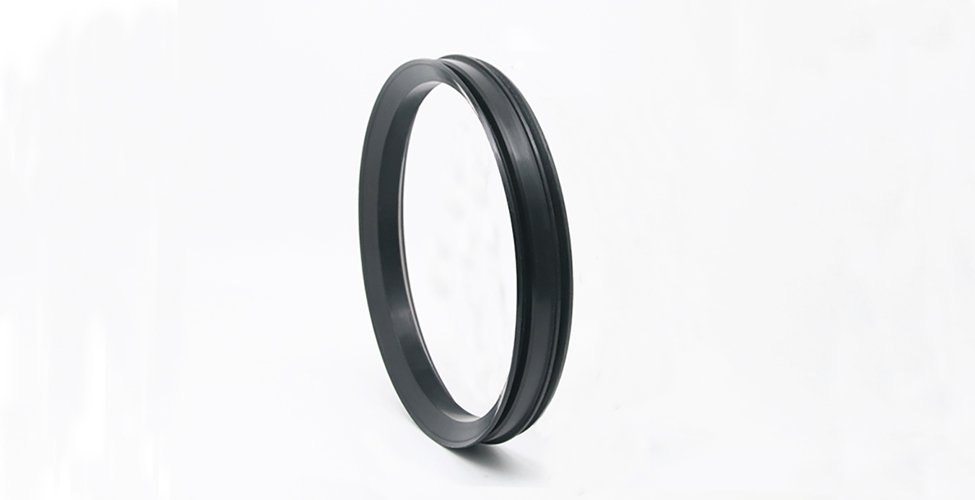
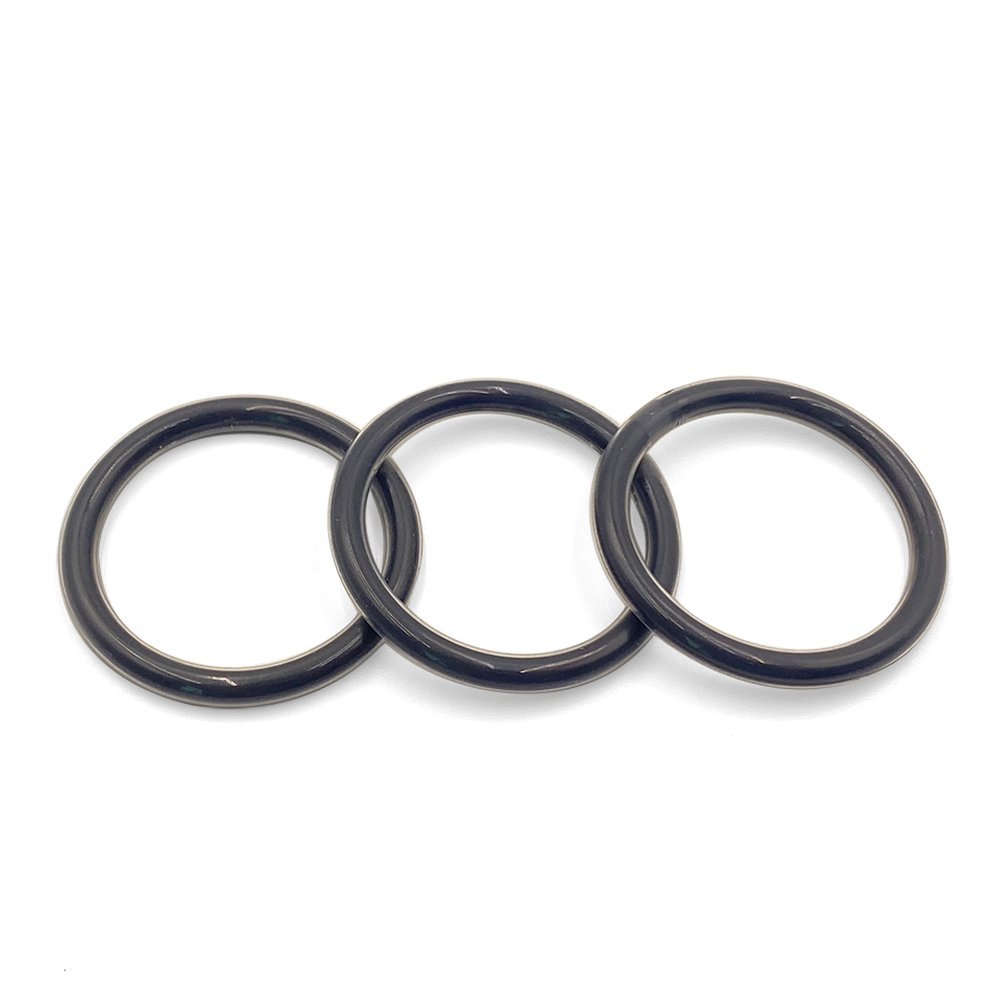
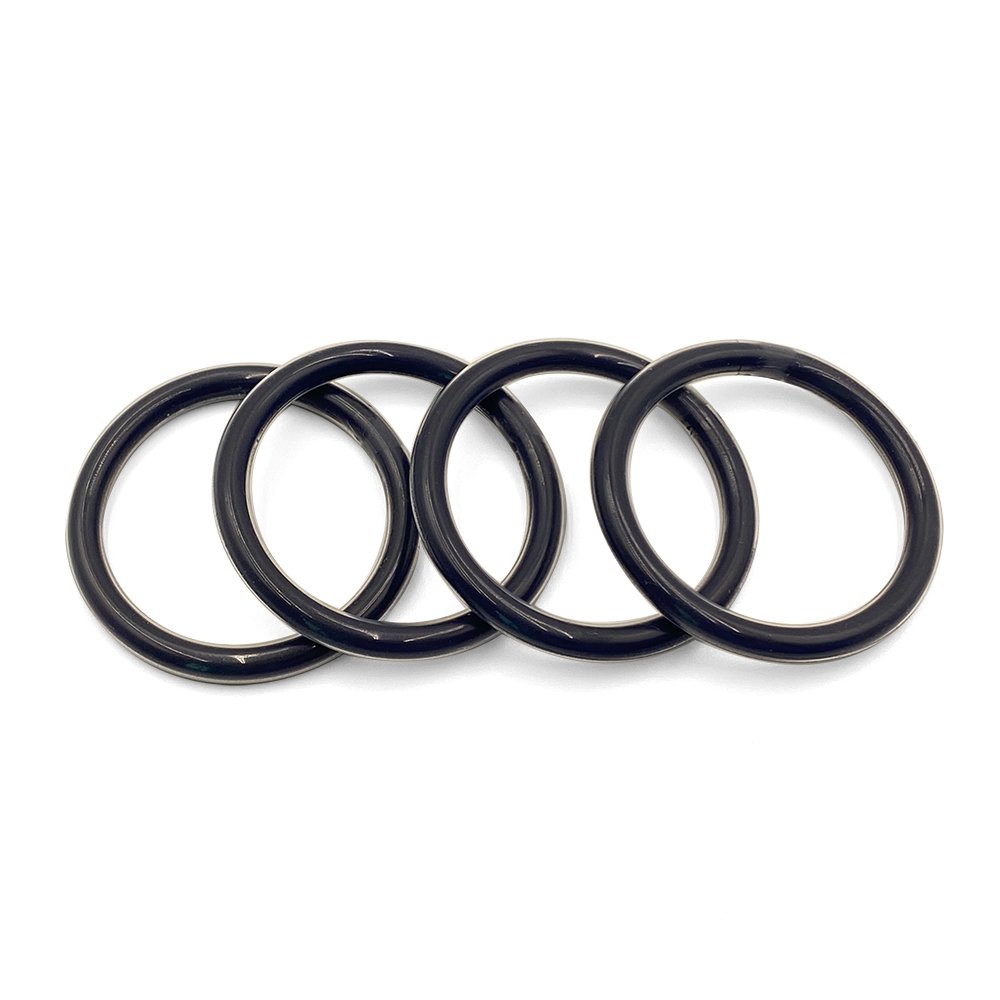
Hollow O ring is a specialized type of elastomeric sealing element featuring an internal cavity structure instead of a fully solid cross-section. This structural characteristic enables hollow O ring to deliver superior elastic recovery, reduced compression stress, and enhanced vibration absorption compared with conventional solid O-rings.
In modern industrial systems—where higher temperatures, aggressive media, dynamic movement, and lightweight design requirements are increasingly common—the hollow O ring has become an essential sealing solution. However, the material selection and structural design of hollow O ring directly determine sealing reliability, service life, and overall system cost.
This article, prepared by QZSEALS, provides a comprehensive and engineering-oriented overview of hollow O-ring advantages, material options, composite structures, design parameters, failure modes, and selection guidelines. It is intended to serve as a practical reference for design engineers, maintenance teams, and procurement professionals across multiple industries.
1. What Makes Hollow O Ring Different from Solid O-Rings
Unlike solid O-rings, hollow O ring incorporate a central void that fundamentally changes how the seal behaves under compression. This design offers several key advantages in demanding sealing environments.
1.1 Superior Elastic Compensation
The internal cavity allows the hollow O ring to deform more easily under load while maintaining sealing contact. Compression ratios can exceed 50%, far greater than those typically allowed for solid O-rings. This makes hollow O-rings particularly suitable for applications involving:
Axial or radial misalignment
Thermal expansion and contraction
Mechanical vibration or shock loading
1.2 Reduced Contact Stress on Sealing Surfaces
Because deformation is distributed across the hollow structure, contact stress at the sealing interface is significantly lower. This helps to:
Reduce wear on mating metal components
Prevent surface indentation or scoring
Extend the service life of housings and flanges
1.3 Lightweight and Material-Efficient Design
Hollow O ring require less elastomer material than solid alternatives. This not only reduces weight—critical in aerospace and automation systems—but also improves material efficiency in large-diameter seals.
1.4 Thermal and Vibration Isolation
The trapped air inside the hollow cavity acts as a natural barrier against heat transfer and mechanical vibration. This feature is especially valuable in high-temperature machinery, rotating equipment, and noise-sensitive systems.
2. Common Hollow O Ring Materials and Performance Characteristics
Selecting the correct material is the most critical step in hollow O ring design. Each elastomer offers a unique balance of temperature resistance, chemical compatibility, mechanical strength, and cost.
2.1 Fluorocarbon Rubber (FKM)
Material Characteristics:
Operating temperature range: –20°C to +200°C
Excellent resistance to oils, fuels, hydraulic fluids, acids, and solvents
Low compression set, even at elevated temperatures
Typical hardness: 65–90 Shore A
Typical Applications:
Fuel and oil systems
Chemical processing equipment
Hydraulic and pneumatic sealing
Hollow O ring exposed to aggressive chemical media
FKM hollow O ring is often selected for environments where chemical stability and long-term sealing reliability are critical.
Limitations:
FKM has limited low-temperature flexibility and relatively high material cost.
2.2 Silicone Rubber (VMQ)
Material Characteristics:
Extremely wide temperature range: –60°C to +230°C
Outstanding flexibility and elastic recovery
Non-toxic, odorless, FDA-compliant
Excellent electrical insulation properties
Typical Applications:
Medical and pharmaceutical equipment
Food and beverage processing machinery
High-temperature ovens and laboratory devices
Semiconductor insulation sealing
Silicone hollow O ring excels in applications where temperature extremes and cleanliness are more important than mechanical strength.
Limitations:
Low tear strength and abrasion resistance; not suitable for high-pressure or sharp-edged installations.
2.3 EPDM (Ethylene Propylene Diene Monomer)
Material Characteristics:
Exceptional resistance to ozone, UV radiation, and weathering
Excellent compatibility with water, steam, alcohols, and polar solvents
Long outdoor service life
Hardness range: 40–90 Shore A
Cost-effective for large-volume applications
Typical Applications:
Automotive cooling systems
HVAC and heat exchanger seals
Solar water heaters
Marine and outdoor equipment
EPDM hollow O ring is widely used in water-based and outdoor sealing systems where durability and cost efficiency are key considerations.
Limitations:
Poor resistance to oils, fuels, and hydrocarbon-based media.
2.4 Hydrogenated Nitrile Rubber (HNBR)
Material Characteristics:
Enhanced oil and fuel resistance compared to NBR
Operating temperature range: –40°C to +150°C
Excellent wear resistance and mechanical strength
Good resistance to hydrogen sulfide (H₂S)
Typical Applications:
Oil and gas field equipment
Automotive engines and transmissions
High-pressure industrial sealing
HNBR hollow O ring is often used where oil resistance and mechanical durability are required simultaneously.
Limitations:
Higher cost than standard nitrile rubber.
2.5 Polyurethane (PU)
Material Characteristics:
Extremely high wear and abrasion resistance
High tensile strength (often exceeding 40 MPa)
Good oil resistance
High load-bearing capacity
Typical Applications:
High-pressure hydraulic cylinders
Mining and construction machinery
Shock-absorbing sealing elements
PU hollow O ring is ideal for dynamic applications involving repeated movement and mechanical stress.
Limitations:
Limited hydrolysis resistance and reduced performance at elevated temperatures (recommended long-term use below 80°C).
2.6 Perfluoroelastomer (FFKM)
Material Characteristics:
Outstanding resistance to almost all chemicals, including strong acids and bases
Operating temperature range: –25°C to +320°C
Extremely low outgassing and high purity
Typical Applications:
Semiconductor manufacturing equipment
Chemical processing under extreme conditions
Aerospace and nuclear industry sealing
FFKM hollow O ring represents the highest performance level available in elastomer sealing technology.
Limitations:
Very high cost, typically several times that of FKM.
3. Composite Structures and Advanced Surface Technologies
To meet increasingly demanding operating conditions, hollow O-rings are often combined with advanced structures and surface treatments.
3.1 PTFE-Coated Hollow O-Rings
By applying a PTFE outer layer to a rubber core, friction is dramatically reduced while chemical resistance is enhanced. These hollow O-rings are suitable for dry-running and low-lubrication environments.
3.2 Metal-Reinforced Hollow O-Rings
Embedding a stainless steel spring or reinforcement inside the hollow cavity significantly improves pressure resistance and compression stability. This structure is commonly used in ultra-high-pressure and deep-well applications.
3.3 Conductive and Antistatic Hollow O-Rings
Through the addition of conductive fillers, hollow O-rings can be engineered with controlled electrical conductivity, making them suitable for explosion-proof equipment and electromagnetic shielding.
4. Design Parameters and Selection Guidelines
4.1 Temperature and Media Compatibility
Always select materials with at least a 20% safety margin beyond the expected operating temperature range. Chemical compatibility should be verified through immersion testing in accordance with ASTM D471 standards.
4.2 Pressure Considerations
Hollow O-rings typically withstand 50–70% of the pressure rating of solid O-rings. For high-pressure applications, reinforced or thicker-walled designs are recommended.
4.3 Structural Design Recommendations
Wall thickness to outer diameter ratio: 1:4 to 1:6
Static sealing compression: 15–25%
Dynamic sealing compression: 10–15%
Prefer one-piece molded designs or precision scarf joints
5. Common Failure Modes and Prevention Methods
| Failure Mode | Root Cause | Recommended Solution |
| Structural collapse | Insufficient wall thickness or overpressure | Increase wall thickness or use metal reinforcement |
| Swelling and cracking | Media incompatibility | Reselect material and conduct immersion testing |
| Low-temperature brittleness | High glass transition temperature | Use silicone or low-temperature FKM |
| Excessive wear | Poor surface finish or lubrication failure | Apply PTFE coating or lubrication additives |
6. Hollow Metal O Ring (Hollow Metal Seals): Extreme-Condition Sealing Solutions
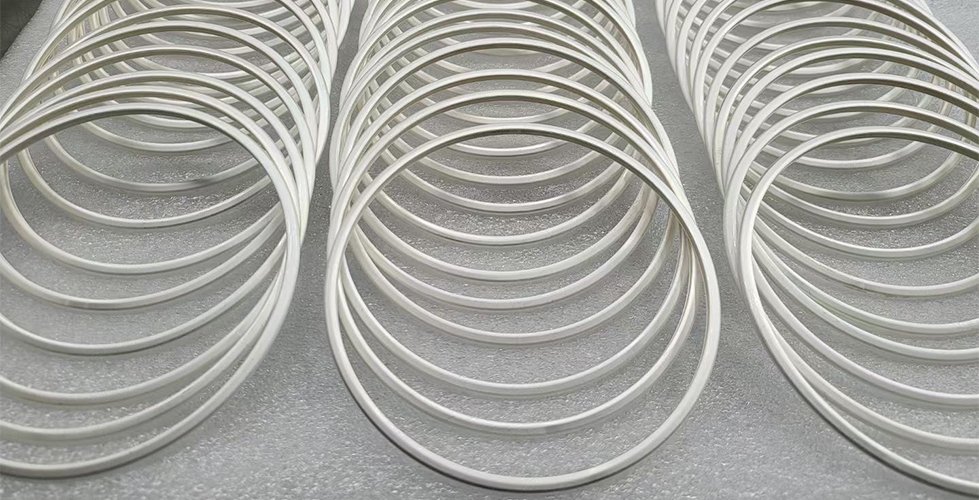
In addition to elastomer-based hollow O ring, hollow metal O ring, also known as hollow metal O ring, represent a critical sealing technology for extreme operating environments where conventional rubber materials are no longer suitable.
Unlike elastomeric hollow O-rings, hollow metal seals rely on plastic deformation of thin-walled metal structures to achieve sealing. They are specifically designed for applications involving ultra-high temperature, extreme pressure, high vacuum, radiation exposure, and aggressive chemical media.
At QZSEALS, hollow metal seals are considered a complementary solution within the hollow sealing family, extending sealing capability beyond the physical limits of rubber-based materials.
6.1 Structural Characteristics of Hollow Metal O Ring
Hollow metal seals typically feature a thin-walled tubular or toroidal metal structure, sometimes combined with surface coatings or spring energizers. The hollow interior allows controlled deformation under load, enabling the seal to conform to flange irregularities while maintaining high contact stress.
Common structural forms include:
Hollow metal O-rings
C-ring and E-ring hollow metal seals
Spring-energized hollow metal seals
Metal seals with soft outer plating layers
This hollow structure allows the seal to balance elastic recovery and plastic deformation, ensuring reliable sealing even under repeated thermal cycling.
6.2 Common Materials for Hollow Metal O Ring
Material selection is critical for hollow metal seals, as it directly determines temperature resistance, corrosion performance, and mechanical strength.
Stainless Steel (304 / 316 / 321)
Characteristics:
Good corrosion resistance
Operating temperature up to approximately 600°C
Cost-effective for general industrial applications
Applications:
High-temperature pipelines
Vacuum systems
Industrial furnaces
Inconel® (600 / 625 / 718)
Characteristics:
Exceptional high-temperature strength (up to 1000°C)
Excellent oxidation and creep resistance
Good compatibility with corrosive gases
Applications:
Aerospace engines
Gas turbines
High-temperature heat exchangers
Hastelloy®
Characteristics:
Outstanding resistance to strong acids and chlorides
Excellent performance in chemical processing environments
Applications:
Chemical reactors
Acid processing equipment
Offshore oil and gas systems
Aluminum and Nickel Alloys
Characteristics:
Lightweight (aluminum alloys)
Good thermal conductivity
Suitable for moderate pressure and temperature
Applications:
Aerospace vacuum systems
Cryogenic equipment
6.3 Surface Coatings and Plating Technologies
To enhance sealing performance and reduce flange damage, hollow metal seals are often combined with soft outer coatings:
Silver plating – Excellent thermal conductivity and low friction; commonly used in aerospace and vacuum sealing
Gold plating – Superior corrosion resistance and oxidation stability
Nickel plating – Improved wear resistance and durability
PTFE or polymer coatings – Reduced friction and galling in special applications
These coatings allow the metal seal to achieve effective sealing at lower bolt loads, improving installation reliability.
6.4 Performance Advantages of Hollow Metal O ring
Compared with elastomeric hollow O-rings, hollow metal seals offer unique advantages:
Ultra-wide temperature range (–200°C to +1000°C, depending on material)
Exceptional pressure resistance, suitable for ultra-high-pressure systems
Excellent vacuum performance, with leak rates as low as 10⁻⁹ mbar·L/s
Radiation resistance, unaffected by nuclear or space environments
Long-term dimensional stability, no aging or chemical degradation
These characteristics make hollow metal seals indispensable in extreme industrial sectors.
6.5 Typical Applications of Hollow Metal O-Rings
Hollow metal O ring is widely used in industries where sealing failure is not acceptable:
Semiconductor manufacturing equipment (etching chambers, vacuum systems)
Aerospace and space exploration systems
Nuclear power and radiation environments
High-pressure oil and gas wellhead equipment
Cryogenic systems (LNG, liquid nitrogen, liquid hydrogen)
In many of these applications, hollow metal seals are the only viable sealing solution.
6.6 Comparison: Hollow Elastomer O Ring vs Hollow Metal O Ring
| Parameter | Hollow Elastomer O-Ring | Hollow Metal O Ring |
| Temperature range | –60°C to +320°C | –200°C to +1000°C |
| Pressure capability | Medium to high | Very high / extreme |
| Elastic recovery | Excellent | Limited (plastic deformation) |
| Chemical resistance | Material-dependent | Excellent |
| Vacuum performance | Moderate | Excellent |
| Reusability | High | Limited or single-use |
| Cost | Low to medium | Medium to high |
This comparison highlights why hollow O ring is not replacement, but extension of hollow O-ring technology.
6.7 Design and Installation Considerations for Hollow O Ring
When specifying hollow metal seals, several design factors must be carefully evaluated:
Surface finish: Recommended flange roughness Ra ≤ 0.8 μm
Bolt load control: Precise tightening is required to avoid over-compression
Groove design: Typically shallower and more rigid than elastomer grooves
Reuse policy: Many hollow metal seals are designed for limited reuse or single installation
Improper installation can lead to permanent deformation or sealing failure.
Integration of Hollow Metal O Ring into QZSEALS Sealing Solutions
At QZSEALS, hollow metal seals are developed as part of a complete sealing system strategy, complementing elastomeric hollow O-rings and composite seals. By combining material expertise, precision forming technology, and surface treatment capabilities, QZSEALS provides sealing solutions tailored for both conventional and extreme operating environments.
Whether the application involves dynamic elastomer sealing or static ultra-high-performance metal sealing, QZSEALS supports customers from design selection to final validation.
Final Technical Insight
By incorporating hollow metal seals into the hollow sealing family, engineers gain access to a full spectrum of sealing technologies—from flexible elastomeric hollow O-rings to ultra-reliable hollow metal O-rings. This integrated approach ensures optimal sealing performance across temperature extremes, pressure ranges, and chemical environments.
Conclusion
Hollow O ring provides a versatile and highly effective sealing solution for modern industrial systems. By combining structural flexibility with carefully selected materials, hollow O-rings can meet the challenges of high temperature, aggressive media, dynamic movement, and lightweight design requirements.
From cost-effective EPDM to high-performance FFKM, each material serves a distinct role. Proper selection, design optimization, and testing are essential to achieving reliable long-term sealing performance.
About QZSEALS
QZSEALS is a professional manufacturer and solution provider specializing in customized sealing components. We offer end-to-end services including material selection, structural design, precision manufacturing, and performance testing for hollow O ring and other advanced sealing solutions.
If you are facing complex sealing challenges or require custom hollow O ring designs, QZSEALS is ready to support your project with reliable, application-specific solution