

Introduction: The Unseen Force Behind Fluid Power
Hydraulic systems are the muscular force behind modern industry. From the colossal power of a construction excavator to the precision of a CNC machine, the ability to convert fluid pressure into controlled mechanical work is a cornerstone of engineering. At the very heart of this immense power lies a system of sophisticated, high-performance components: hydraulic sealing systems. While the broader question “what is a seal?” refers to any device that prevents leakage, in the context of hydraulics, the term represents a family of highly specialized sealing solutions engineered to withstand immense pressures, manage friction, and ensure the efficiency and safety of the entire system.
A critical mistake in both design and maintenance is to view seals as individual, interchangeable parts. They are not. A modern hydraulic cylinder contains a meticulously designed hydraulic sealing systems, where each component has a specific role and its performance is interdependent on the others. The failure of a single, inexpensive wiper seal can trigger a chain reaction that leads to the destruction of the far more critical rod seal, ultimately causing catastrophic system failure. Understanding this system-based approach is paramount to achieving true operational reliability.
This comprehensive guide is designed for engineers, technicians, and designers who work with fluid power systems. We will deconstruct the architecture of the hydraulic sealing system, examining the specific function of each component, from the power-generating piston seal to the protective wiper seal. As a trusted expert in the design and manufacturing of high-performance sealing solutions, QZSEALS provides insights into the principles, materials, and designs—including O-rings—that ensure your hydraulic equipment operates at peak performance. Our mission is to be your reliable industrial partner, transforming complex sealing challenges into robust, long-lasting solutions.
Chapter 1: The Architecture of a Hydraulic Cylinder – The Sealing Environment
To understand the seals, we must first understand their home: the hydraulic cylinder. A typical double-acting cylinder consists of a few key parts where the hydraulic sealing systems are housed:
- The Cylinder Barrel: The main body of the cylinder, with a smooth, honed internal surface against which the piston seal operates.
- The Piston: A cylindrical component that divides the barrel into two chambers. It moves back and forth under fluid pressure.
- The Piston Rod: A hardened, ground, and often chromed rod that is attached to the piston and extends out of the cylinder to transmit force to the workload.
- The Cylinder Head (Gland): The component that closes one end of the cylinder and contains the sophisticated rod sealing sub-system.
This assembly creates two distinct sealing environments: the internal environment where the piston seal operates, and the gland environment where the rod sealing system operates. These two systems must work in perfect harmony.
Chapter 2: The Piston Seal – The Heart of the System
The piston seal is the primary power-generating component in the hydraulic sealing systems. Located in a groove on the outer diameter of the piston, its function is to create a dynamic seal against the cylinder barrel. This is arguably the most critical sealing task within the cylinder and part of complete sealing solutions that often integrate O-rings to balance sealing force with low friction.
The Core Function: Preventing Internal Bypass
The piston seal’s primary job is to prevent high-pressure hydraulic fluid from leaking internally from one side of the piston to the other. Any such leakage, known as “bypass” or “blow-by,” results in a direct loss of system pressure. This leads to:
- Reduced Efficiency: The hydraulic pump must work harder and consume more energy to compensate for the pressure loss.
- Loss of Control: In applications requiring precise positioning, internal leakage can cause cylinder drift and a spongy, unresponsive feel.
- Heat Generation: The high-pressure fluid passing through a small leak path generates significant heat, which can degrade the hydraulic fluid and o rings.
Types of Piston Seals and QZSEALS Solutions
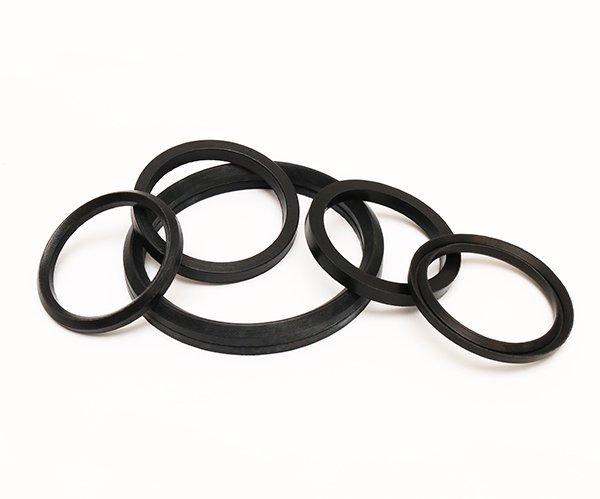
Modern Piston Seals are highly engineered components, often consisting of multiple parts and materials to balance sealing force with low friction.
- Compact Piston Seals: These are often multi-piece designs that provide a complete sealing solution in a single groove. The SPG Piston Seal is a highly versatile and popular design, known for its excellent performance and long service life in a wide range of applications.
- Heavy-Duty Piston Seals: For the most demanding applications with high pressures and shock loads, such as in mining and construction equipment, a more robust design is needed. The SPGW Piston Seal is a heavy-duty, multi-piece seal with integrated anti-extrusion rings, specifically engineered to withstand extreme conditions without failure.
- Low-Friction Piston Seals (Glyd Rings): In applications where smooth, precise movement is critical, low friction is a primary concern. The GSF Piston Seal, commonly known as a Glyd Ring, uses a PTFE-based sealing ring energized by an O-ring. This combination provides excellent sealing with minimal friction, preventing the “stick-slip” phenomenon that can cause jerky movement.
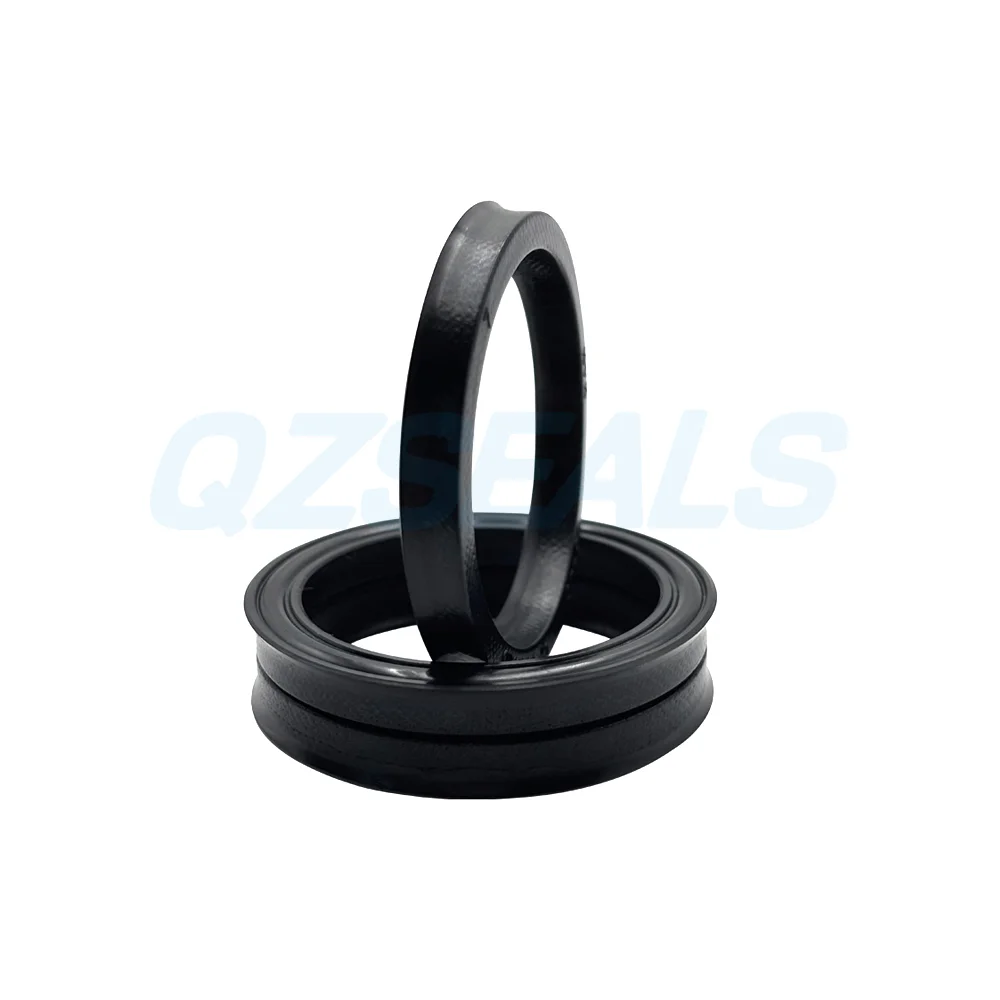
Chapter 3: The Rod Sealing Sub-System – The Gatekeeper
The cylinder head, or gland, houses a sophisticated, multi-stage hydraulic sealing system designed to seal a moving rod exposed to both internal high-pressure fluid and the external environment, it is a critical part of overall sealing solutions.
The Rod Seal – The Primary Barrier
The rod seal is the primary pressure-retaining component in the gland. Its job is to create a dynamic seal against the reciprocating piston rod, preventing any hydraulic fluid from leaking out of the cylinder. This is a critical function for several reasons:
- Safety: Leaking hydraulic fluid can create dangerous slip hazards and, if atomized, a serious fire risk.
- Environmental Protection: External leakage can lead to environmental contamination and costly cleanup operations.
- Cost: Hydraulic fluid is expensive, and continuous leakage represents a significant operational cost.
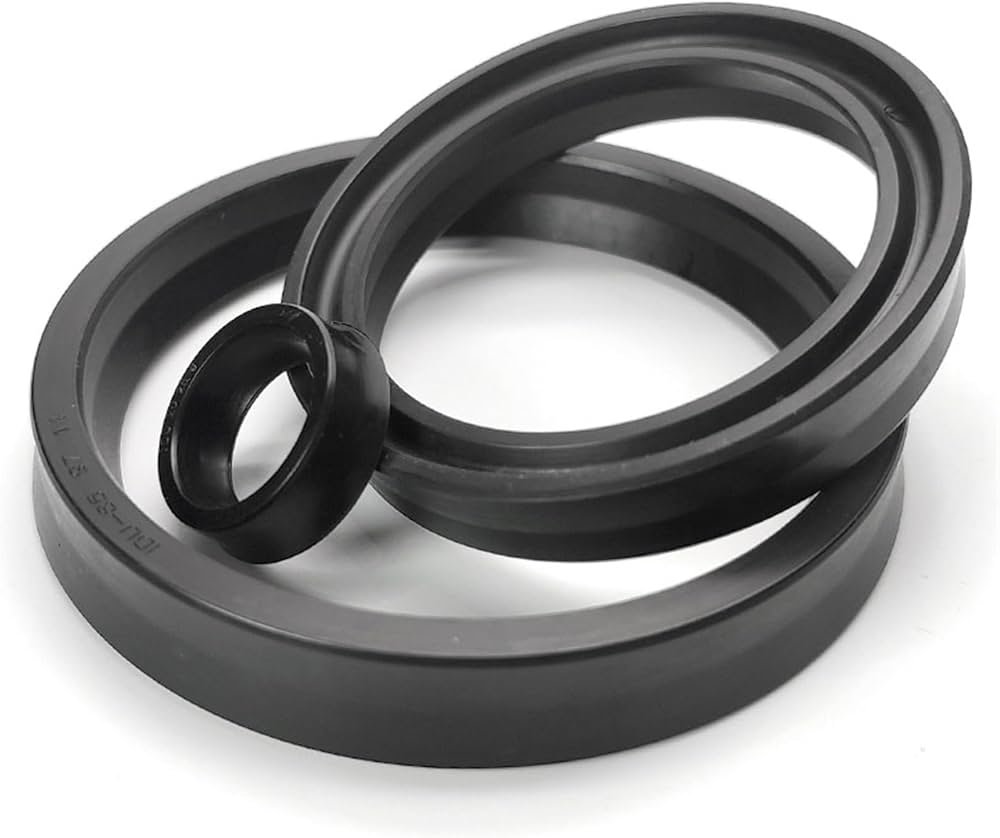
QZSEALS offers a wide range of Rod Seals, including the versatile UNS Piston Rod Seals and the high-performance GSJ Step Seal, engineered for reliable, leak-free performance.
The Wiper Seal – The First Line of Defense
The wiper seal, also known as a scraper, is arguably the most important component for ensuring the long-term reliability of the entire cylinder. Positioned at the very exterior of the gland, its function is purely one of exclusion. As the rod retracts, the wiper’s sharp, flexible lip scrapes away any external contaminants that have adhered to the rod surface, including dirt, mud, moisture, ice, and industrial grit.
Without an effective Wiper Seal, these abrasive contaminants would be dragged directly into the gland, where they would quickly destroy the precision lip of the primary rod seal, score the expensive rod surface, and contaminate the entire hydraulic system. A high-quality wiper, such as our A5 Wiper Seal or the robust PDR Wiper Seal, is the single best investment you can make in the longevity of a hydraulic cylinder, prevent contaminants from reaching the rod seal, protecting the hydraulic sealing systems.
The Buffer Seal – The System’s Shock Absorber
In heavy-duty hydraulic systems, it is common to experience sudden, intense pressure spikes that can far exceed the normal operating pressure. These can be caused by shock loads or rapid deceleration. Such spikes can overwhelm a standard rod seal, forcing it into the clearance gap and causing it to fail. A buffer seal is a specialized seal installed in the gland, inboard of the primary rod seal.
It acts as a shock absorber. When a pressure spike occurs, the buffer seal absorbs the brunt of the energy, dissipating the pressure before it can reach and damage the primary seal. Our COP Cushion Seals are specifically designed for this purpose, significantly enhancing the reliability and service life of the entire rod sealing system in demanding applications. See more options in our Cushion Seals category.
Chapter 4: The Unsung Heroes – Guiding and Support Components
A sealing system is only as good as the stability of the components it is sealing. Seals are not designed to carry significant side loads. That is the job of dedicated guiding and support components. While not technically seals, their role is indispensable to the sealing system.
Wear Rings and Guide Strips
A wear ring or guide strip is a band of durable, low-friction, non-metallic material that is installed on the piston and/or in the gland. Their functions are:
- To Guide the Moving Parts: They ensure the piston and rod move concentrically within the cylinder, maintaining precise alignment.
- To Prevent Metal-to-Metal Contact: They create a bearing surface that prevents the steel piston from scoring the steel cylinder barrel, or the gland from scoring the rod.
- To Absorb Side Loads: They absorb transverse forces that would otherwise be placed on the seals, preventing uneven wear and premature seal failure.
Materials like Phenolic Resin with Fabric are commonly used for their high compressive strength and excellent wear properties. Investing in high-quality Wear Rings is a critical step in building a durable hydraulic cylinder and enhancing the durability of the hydraulic sealing system.
Chapter 5: Material Science and Design Considerations
The performance of a hydraulic sealing systems is fundamentally tied to the materials used and the design of the hardware, choosing the right materials is essential for durable sealing solutions. The material must be able to withstand the pressure, temperature, and chemical makeup of the hydraulic fluid, while also providing the necessary wear resistance and friction characteristics.
- Polyurethane (PU): This is the premier material for modern heavy-duty hydraulic seals due to its exceptional combination of high abrasion resistance, high tensile strength, and resistance to extrusion.
- PTFE and its Blends: Known for its extremely low friction and wide temperature range, PTFE is often used for low-friction piston seals (Glyd Rings) and rod seals.
- Nitrile (NBR): A cost-effective elastomer that is a good choice for low-to-medium pressure static seals and dynamic seals in less demanding applications.
Beyond materials, critical design factors like the surface finish of the rod and cylinder bore, and the precise control of clearance gaps, are paramount for ensuring a long and reliable service life for the entire hydraulic sealing systems, long-lasting sealing solutions.
Conclusion: A System-Based Approach to Hydraulic Reliability
Hydraulic cylinders rely on carefully designed hydraulic sealing systems to maintain pressure and control. For a detailed overview of hydraulic systems, see Hydraulic Institute’s Guide to Hydraulic Systems.
The world of hydraulic sealing is one of intricate design and interdependent components. The key takeaway for any engineer or technician is to move beyond thinking about individual parts and to embrace a holistic, system-based approach. The reliability of a hydraulic cylinder is not determined by its strongest seal, but by the integrity of the entire hydraulic sealing systems, from the protective wiper seal at the front to the power-generating piston seal at its heart.
This is the philosophy that guides every sealing solutions at QZSEALS. Our mission is to deliver reliable, cost-effective, and innovative sealing solutions that support our customers’ success. We achieve this by acting as a true industrial partner, providing the technical consultation and high-quality, precision-engineered components needed to build robust and efficient hydraulic systems. With our commitment to strict quality control, advanced engineering, and customer-first service, we deliver the hydraulic sealing systems that empower the fluid power industry.