


Hydraulic seals play a fundamentally different role from pneumatic seals in the world of fluid power, even though both systems are essential workhorses of modern industry. These systems convert fluid energy into powerful, controlled motion, but the choice of medium—incompressible hydraulic oil versus compressible air—creates two completely different operating environments. This difference becomes especially critical when selecting sealing components. Although hydraulic and pneumatic seals may appear similar, they are not interchangeable. Using the wrong seal type inevitably leads to poor performance, premature failure, and potential safety risks.
Understanding the nuanced differences between these two families of seals is essential for any engineer, designer, or technician working in fluid power. The question is not just “what is a seal?” but rather “what specific design and material properties are required to effectively seal a liquid versus a gas?” This choice impacts everything from system pressure and operating speed to friction, lubrication, and service life.This definitive guide provides a comprehensive comparison of hydraulic and pneumatic sealing systems, with a strong emphasis on the seal design differences and the critical role of material selection seals in achieving long-term performance and reliability. Beyond outlining how each system operates, we take a deeper look at the unique engineering challenges created by their respective media—high-pressure, oil-driven hydraulic environments versus fast-cycling, dry or lightly lubricated pneumatic conditions—and show how these factors directly influence seal geometry, functional behavior, and service life. From advanced elastomers and polyurethanes to PTFE-based compounds, we analyze how proper material selection works hand-in-hand with lip configuration, extrusion resistance, and overall hardware interaction to define the success of engineering sealing solutions. As a global expert in designing high-performance seals for both hydraulic and pneumatic applications, QZSEALS presents this guide to give engineers and designers practical clarity, ensuring every system benefits from the correct materials, optimized seal design, and maximum operational efficiency.
Table of Contents
- 1. The Medium is the Message: How Oil vs. Air Changes Everything
- 2. A Tale of Two Pressures: High Force vs. High Speed
- 3. Seal Design and Geometry: Robustness vs. Low Friction
- 4. Material Science: The Great Divide
- 5. System Design and Hardware Considerations
- 6. Summary Chart: Hydraulic vs. Pneumatic Seals at a Glance
- 7. The QZSEALS Advantage: Expertise in Both Worlds
1. The Medium is the Message: How Oil vs. Air Changes Everything
The fundamental difference between hydraulic and pneumatic seals begins with the fluid they are designed to control.Hydraulic Systems (Liquid)
- Incompressible Fluid: Hydraulic oil is virtually incompressible. This allows it to transmit immense force with high efficiency and precision.
- Excellent Lubrication: The oil itself is a superb lubricant. The entire hydraulic system is bathed in a lubricating medium, which helps to reduce friction, cool components, and extend the life of the seals.
- Higher Viscosity: Oil is far more viscous than air. This makes it inherently easier to seal, as the fluid is less likely to find its way through microscopic leak paths.
Pneumatic Systems (Gas)
- Compressible Gas: Air is highly compressible. While this makes it excellent for fast-acting, cushioned movements, it also means the system stores a great deal of potential energy.
- Poor Lubrication: The compressed air itself provides almost no lubrication. While some systems introduce a fine oil mist, many modern pneumatic systems are designed to run “dry” or with only an initial assembly grease. This makes friction a primary concern.
- Lower Viscosity: Air has a very low viscosity, making it much more difficult to seal effectively.
2. A Tale of Two Pressures: High Force vs. High Speed
The different properties of the fluids lead to vastly different operating parameters for the systems.Hydraulic Systems: The World of High Pressure
Because oil is incompressible, hydraulic systems can operate at extremely high pressures.- Typical Pressures: Standard hydraulic systems often operate from 1,500 to 5,000 PSI (100 to 350 bar), with heavy-duty systems easily exceeding 10,000 PSI (700 bar).
- Primary Challenge: The main challenge for hydraulic seals is to contain this immense pressure without being physically damaged or forced out of their grooves (a failure known as extrusion).
- Resulting Characteristics: Hydraulic systems are characterized by high force, high power density, and relatively slower, more rigid movements.
Pneumatic Systems: The Realm of High Speed
Pneumatic systems operate at much lower pressures due to the compressibility of air and safety considerations.- Typical Pressures: Most pneumatic systems operate in the range of 80 to 120 PSI (5 to 8 bar).
- Primary Challenge: The main challenge for pneumatic seals is not containing pressure, but managing friction to allow for very high cycle speeds with minimal wear, heat generation, and energy loss.
- Resulting Characteristics: Pneumatic systems are known for extremely fast actuation, rapid cycling, and lower force output compared to hydraulics.
3. Seal Design and Geometry: Robustness vs. Low Friction
These differences in pressure and lubrication directly dictate the physical design of the seals themselves.Hydraulic Seal Design: Built for Battle
Hydraulic seals are engineered for robustness and extrusion resistance.- Sharp, Aggressive Sealing Lips: The sealing lips are designed to cut through the thick film of oil and create a high-integrity, zero-leak seal against the hardware.
- Thicker, More Robust Cross-Sections: The body of a hydraulic seal is typically thicker and more substantial to resist deformation and extrusion under high pressure.
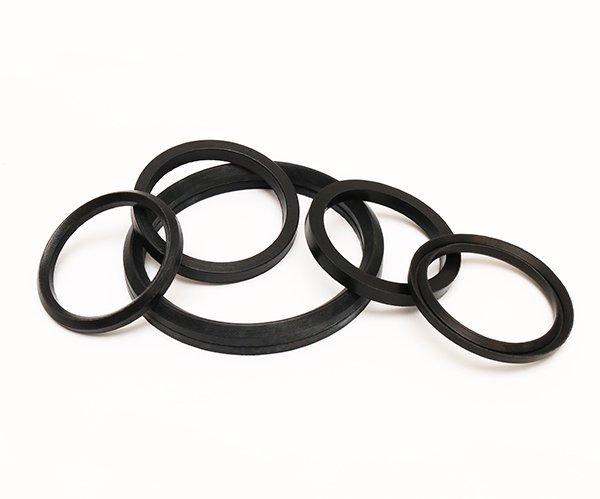
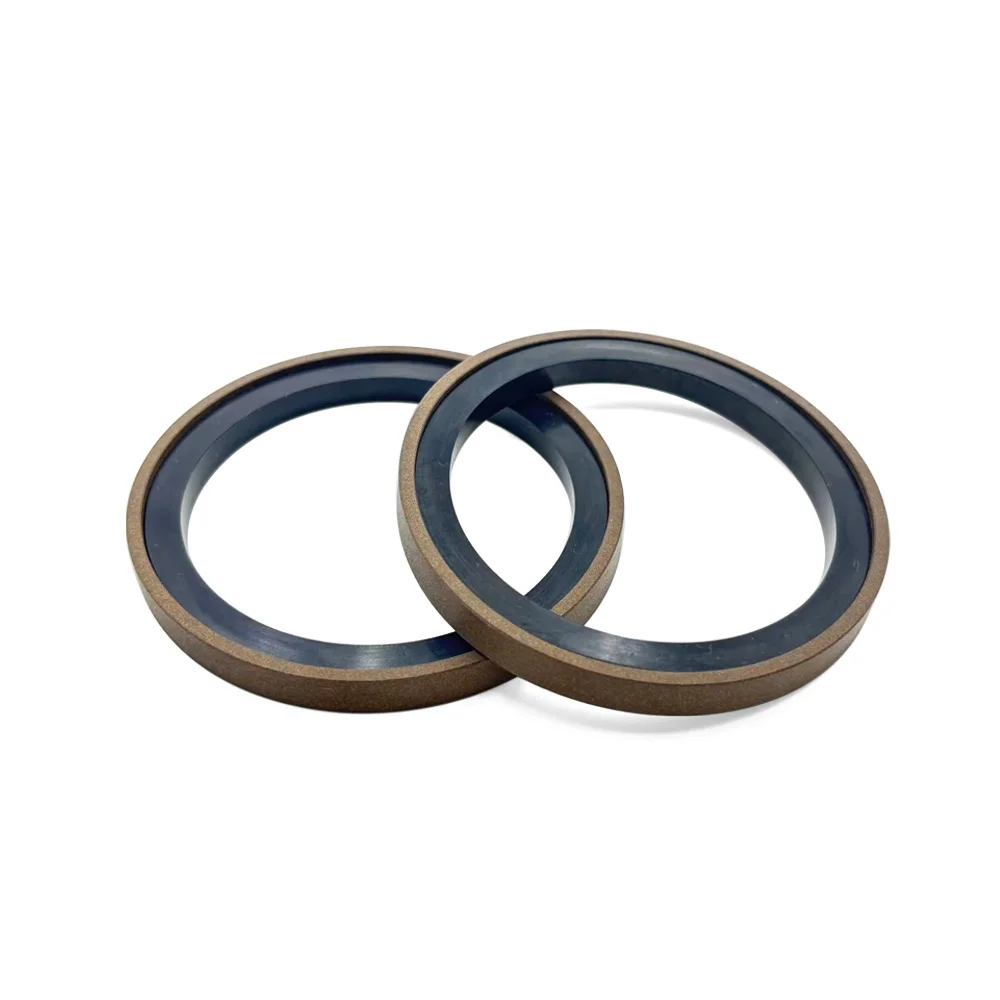
- Multi-Component Designs: Many advanced hydraulic seals, like our heavy-duty SPGW Piston Seal, are multi-piece systems that incorporate anti-extrusion rings and pressure rings to provide a complete high-pressure sealing solution.
Pneumatic Seal Design: Engineered for Finesse
Pneumatic seals are all about minimizing friction to allow for high-speed, low-energy operation.- Softer, Rounded Sealing Lips: The lips are designed to create a seal with a much lighter contact force. A sharp lip would generate too much friction and wear in a non-lubricated environment.
- Thinner, More Flexible Cross-Sections: The body of a pneumatic seal is more flexible, allowing it to respond quickly to changes in direction at high speeds. Our Z8 Pneumatic Piston Seals exemplify this responsive design.
- “Breakaway” Friction: A key design goal is to minimize “stiction” or the initial breakaway friction, ensuring smooth activation of the cylinder even after it has been stationary.
4. Material Science: The Great Divide
The choice of material is another critical differentiator, driven by the demands of pressure and friction.Hydraulic Seal Materials
The primary requirement for hydraulic seal materials is extreme physical toughness and extrusion resistance.- Polyurethane (PU): This is the gold standard for modern, heavy-duty hydraulic applications. It offers an unparalleled combination of high tensile strength, excellent abrasion resistance, and superior resistance to extrusion. It is the material of choice for the most demanding Piston Seals and Rod Seals.
- PTFE Blends: Known for low friction and a wide temperature range, PTFE is often used in combination with an elastomeric energizer for seals that require both pressure resistance and smooth operation.
Pneumatic Seal Materials
The key requirement for pneumatic seal materials is a low coefficient of friction and good inherent lubricity.- Nitrile (NBR): A specially compounded, internally lubricated Nitrile is the most common material for pneumatic seals. It offers good flexibility, low cost, and excellent wear characteristics in low-friction pneumatic applications.
- FKM (Viton®): For higher-temperature pneumatic applications, FKM is often used.
5. System Design and Hardware Considerations
The differences extend to the design of the hardware itself.- Hydraulic Systems: Require robust, heavy-walled cylinders and components to safely contain the high pressures. The system is more complex, involving pumps, reservoirs, filters, and coolers.
- Pneumatic Systems: Components can be much lighter and less expensive due to the lower pressures. The systems are generally simpler, often drawing compressed air from a central plant supply.
6. Summary Chart: Hydraulic vs. Pneumatic Seals at a Glance
| Characteristic | Hydraulic Seals | Pneumatic Seals |
| Operating Medium | Incompressible Liquid (Oil) | Compressible Gas (Air) |
| Pressure Range | Very High (1,500 – 10,000+ PSI) | Low (80 – 120 PSI) |
| Primary Design Driver | Extrusion Resistance | Low Friction |
| Seal Lip Design | Sharp, Aggressive | Soft, Rounded, Flexible |
| Primary Material | Polyurethane (PU) | Modified Nitrile (NBR) |
| System Speed | Slower | Very Fast |
7. The QZSEALS Advantage: Expertise in Both Worlds
Successfully engineering solutions for both hydraulic and pneumatic systems requires deep and distinct expertise in each area. At QZSEALS, we do not take a one-size-fits-all approach. Our strength lies in our comprehensive understanding of the unique challenges presented by both high-pressure liquids and high-speed gases.- Dedicated Product Lines: We offer complete and distinct product lines for both hydraulic and pneumatic applications, ensuring that every seal is perfectly optimized for its intended environment.
- Expert Technical Consultation: Our engineering team possesses the in-depth knowledge to guide you to the correct sealing solution, whether you are designing a heavy-duty hydraulic press or a rapid-cycling pneumatic actuator.
- Advanced Material Science: We leverage our expertise in advanced materials, from high-performance polyurethanes to specially compounded low-friction elastomers, to deliver seals that provide both performance and longevity.