

Understanding the Core Principles of Industrial Sealing Systems
In the intricate world of modern machinery, every component is part of a larger, interconnected system. From the powerful hydraulic arms of an excavator to the high-speed turbines generating our power, performance is not born from a single part, but from the flawless integration of many. At the very heart of this mechanical harmony lies one of engineering’s most critical disciplines: industrial sealing systems. A common question is, “what is a seal?” At its core, a seal is a device designed to prevent leakage, contain pressure, and exclude contaminants. But this simple definition belies its true significance. A seal is not merely a plug; it is an architected component within a dynamic, high-performance sealing system.
Viewing seals as standalone parts is a fundamental mistake. True reliability is achieved when we appreciate them as integral components of a complete hydraulic sealing system. The effectiveness of a primary hydraulic seal, for example, is entirely dependent on the performance of its supporting wiper seals and wear rings. This system-based approach is the key to designing, operating, and maintaining machinery that is safe, efficient, and durable.
This comprehensive guide will deconstruct the architecture of industrial sealing systems. We will move beyond individual components to explore the major sealing systems found in modern equipment: hydraulic seals, pneumatic seals, and rotary seals. By examining how these systems are constructed and how their individual seals work in concert, we provide a deeper understanding of what it takes to achieve true sealing integrity. As a trusted expert in both standard and fully custom sealing solutions, QZSEALS designs and manufactures the high-performance components that form the backbone of these critical systems, empowering industries from aerospace to energy to achieve new levels of performance.
The Foundational Principles of Sealing
Before dissecting specific systems, we must establish the fundamental principles that govern all sealing technology. These concepts form the basis for every design decision.
Static vs. Dynamic Sealing: The First Critical Distinction
The first and most important classification of any sealing application is based on motion.
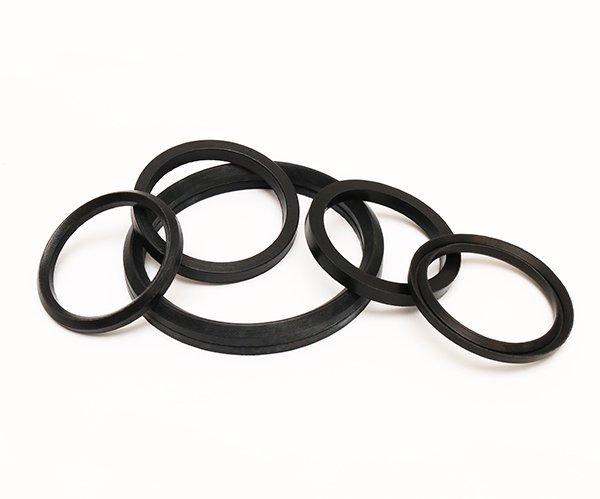
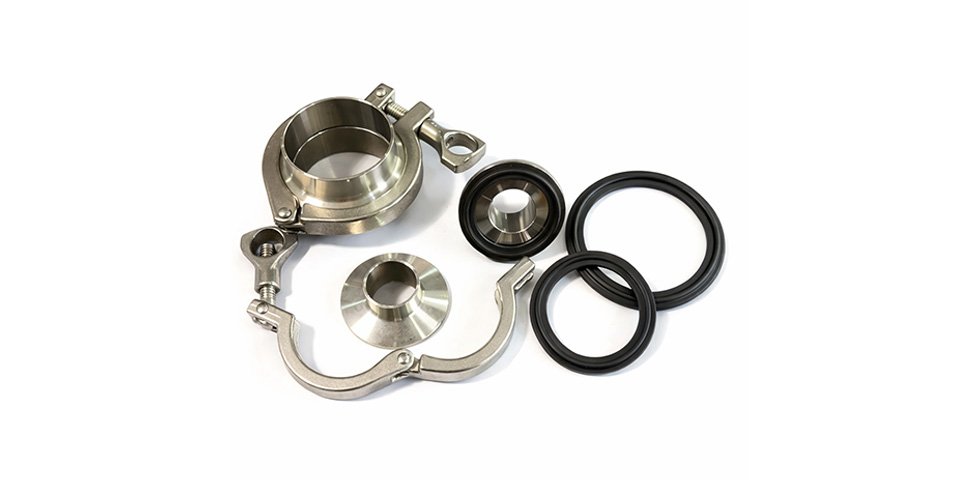
- Static Sealing: This occurs when there is no relative movement between the two surfaces being sealed. The components are bolted, clamped, or pressed together and remain fixed. The classic example of a static seal is a gasket. A gasket is a piece of deformable material sandwiched between two flanges to create a barrier. Our range of durable Gaskets is designed precisely for these applications, where a reliable, long-term seal under compression is required.
- Dynamic Sealing: This is a far more challenging environment where the sealing surfaces are in constant relative motion. This motion dictates the entire design of the seal. Dynamic applications are further divided into:
- Reciprocating Motion: A back-and-forth or up-and-down linear movement, such as a piston seal in a cylinder.
- Rotary Motion: A spinning movement, such as a shaft rotating in a housing.
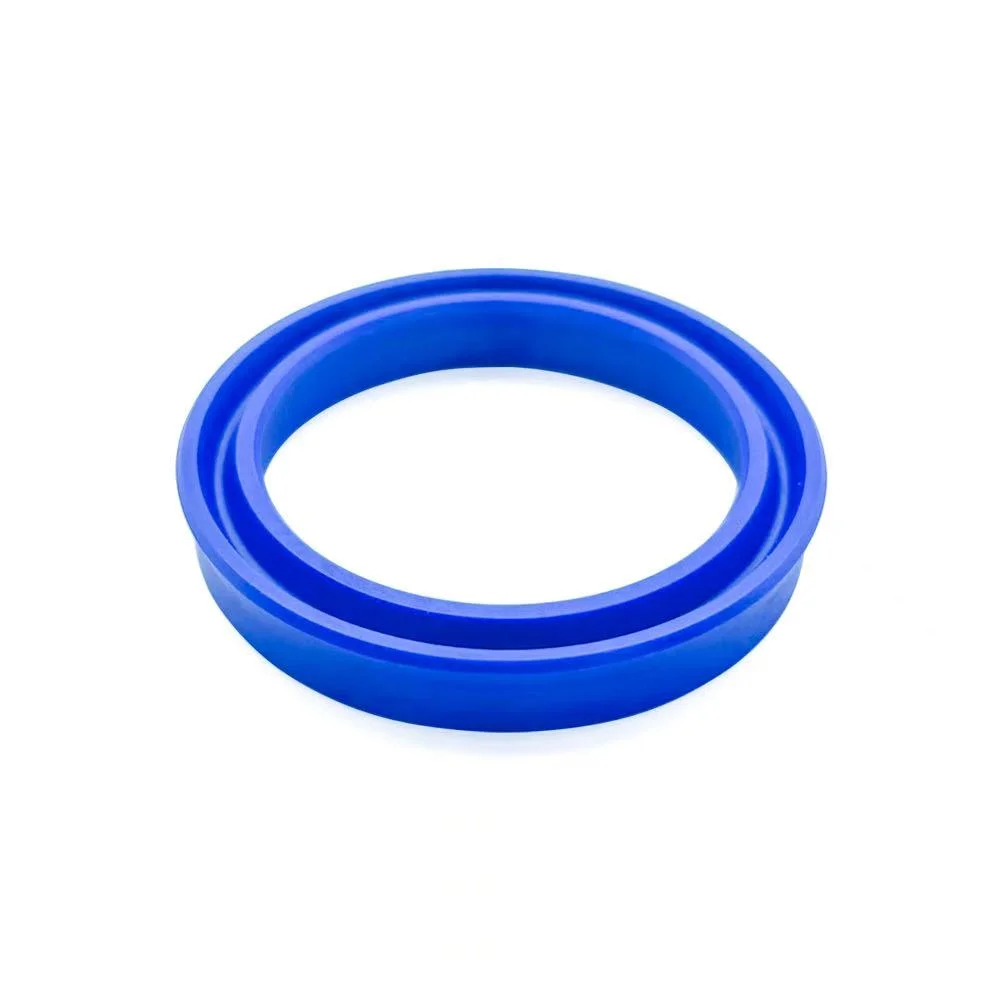
The Core Functions of Any Sealing System
Regardless of the application, every sealing system is designed to perform one or more of four primary functions. Understanding the priority of these functions is key to selecting the right components.
- Containment: Keeping fluids or gases inside the system. In a hydraulic actuator, this means containing high-pressure oil using hydraulic seals.
- Exclusion: This involves preventing external contaminants like dirt, dust, water, and debris from entering the system. This is often the most critical factor for ensuring the longevity of internal components.
- Separation: In some cases, a seal must keep two different types of media from mixing. For example, separating a process fluid from a gearbox lubricant.
- Pressure Management: This can involve containing high pressures, maintaining a vacuum, or isolating a sensitive instrument from system pressure, a task often performed by a diaphragm.
Deconstructing the Hydraulic Sealing System
There is no better case study for an integrated hydraulic sealing system than the modern hydraulic cylinder. It is a self-contained ecosystem where multiple seals, each with a specialized role, work together to translate fluid power into mechanical work.
The Piston Seal: The Heart of the Actuator
Located on the moving piston head, the piston seal is the engine of the hydraulic system. Its sole purpose is to seal dynamically against the cylinder bore, preventing high-pressure fluid from leaking internally from one side of the piston to the other. Any bypass of fluid here results in a direct loss of pressure, leading to reduced force output, poor positional accuracy, and wasted energy.
- Design: Modern piston seals are highly engineered components, often consisting of multiple materials. Designs like the GSF piston seal glyd ring use a low-friction PTFE-based ring energized by an O-ring to provide consistent sealing force with minimal stick-slip. For heavy-duty applications, robust designs like the SPGW piston seal incorporate anti-extrusion rings to handle extreme pressures and shock loads.
The Rod Sealing Sub-System: The Gatekeeper
The cylinder gland, where the piston rod exits the cylinder body, houses a sophisticated rod seal subsystem, separating the internal high-pressure environment from the outside world.
The Rod Seal: The Primary Barrier
The rod seal is the primary pressure-retaining element in the gland. It seals dynamically against the reciprocating rod, preventing hydraulic fluid from leaking out of the cylinder. A leaking rod seal is not only inefficient and costly but can also pose significant environmental and safety hazards. QZSEALS offers a wide range of high-performance rod seals designed for long life and minimal leakage.
The Wiper Seal: The First Line of Defense
Perhaps the most underappreciated yet vital component is the wiper seal. Positioned at the very exterior of the gland, its job is purely exclusionary. As the rod retracts, the wiper’s sharp, flexible lip scrapes away any external contaminants—dirt, mud, ice, water—that have collected on the rod surface. Without an effective Wiper Seal, these abrasive particles would be drawn into the system, where they would quickly damage the precision-engineered rod seal, score the rod itself, and contaminate the hydraulic fluid, leading to a chain reaction of component failures.
The Buffer/Cushion Seal: The Shock Absorber
In heavy-duty hydraulic systems, abrupt changes in load or velocity can create intense pressure spikes that far exceed the system’s normal operating pressure. These spikes can physically destroy a standard rod seal by forcing it into the clearance gap. A buffer seal, such as our COP Cushion Seals, is installed in front of the primary rod seal. It acts as a shock absorber, absorbing and dissipating the energy from these pressure spikes before they can reach and damage the main seal, thus dramatically extending the life of the entire rod sealing system.
Guiding and Support Components: Ensuring Stability
Seals cannot function correctly if the moving parts are not properly aligned. That is the role of guiding elements. Though they are not seals themselves, they are indispensable to the sealing system.
- Wear Rings & Guide Strips: Made from durable, low-friction polymer composites, wear rings and guide strips are used to guide the piston and the rod. They prevent metal-to-metal contact between the moving parts and the cylinder body, absorb side loads, and ensure concentric movement. This stability is essential for preventing uneven seal wear and catastrophic failure.
Understanding the Pneumatic Sealing System
While similar in principle to hydraulic systems, pneumatic systems—which use compressed air or other gases as their medium—present a unique set of sealing challenges that require a specialized approach.
Key Differences from Hydraulic Systems
- Lower Viscosity: Air is far less viscous than oil, making it inherently more difficult to seal.
- Lack of Lubrication: The medium itself provides very little lubrication, so pneumatic seals must be designed for low-friction operation to prevent overheating and wear.
- Higher Speeds: Pneumatic actuators often operate at much higher cycle speeds than their hydraulic counterparts.
- Compressibility: The compressibility of air can lead to a “dieseling” effect, where rapid compression generates enough heat to potentially damage the seal material.
These factors mean that you cannot simply use a standard hydraulic seal in a pneumatic application. Pneumatic seals are specifically engineered with lower-friction materials, specialized lip geometries that require minimal lubrication, and designs that remain stable at high speeds.
Mastering the Rotary Sealing System
Sealing a spinning shaft is one of the most common and critical challenges in mechanical engineering. This is the domain of the rotary sealing system, found in everything from automotive engines and industrial gearboxes to pumps and mixers.
The Rotary Shaft Seal (Oil Seal): The Classic Solution
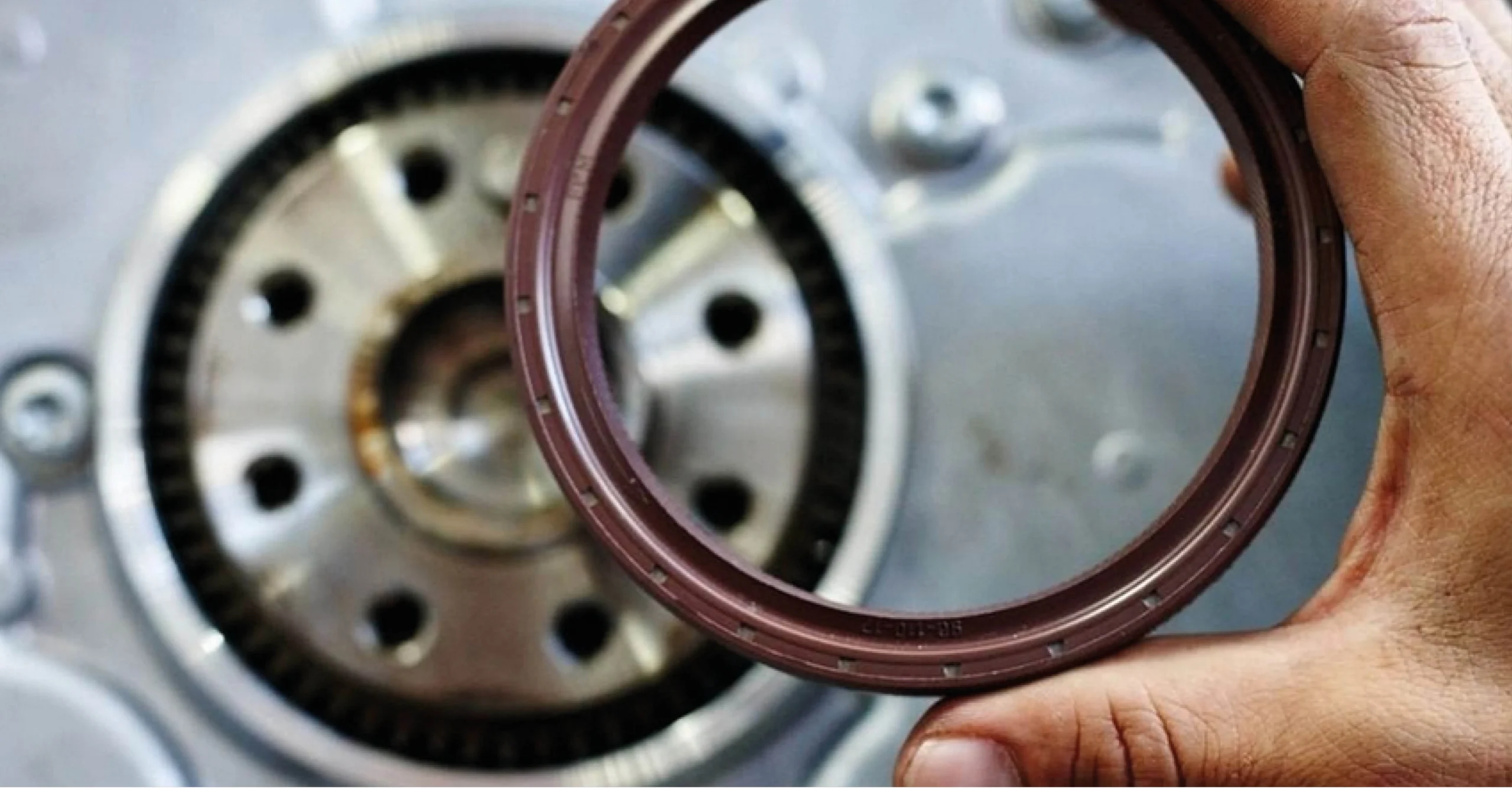
The most common component for this task is the rotary shaft seal, widely known as an oil seal. Its anatomy is a masterpiece of simple, effective design:
- A rigid metal outer case that provides a secure press-fit into the housing bore.
- A flexible elastomeric sealing lip that rides on the surface of the rotating shaft.
- A small garter spring that provides a constant, gentle radial force, ensuring the lip stays in contact with the shaft.
A properly functioning oil seal does not create a completely dry seal. Instead, it allows a microscopic film of the lubricant (on the order of 1 micrometer thick) to form between the lip and the shaft. This principle, known as hydrodynamic lubrication, is essential. The film separates the two surfaces, drastically reducing friction and heat, while the surface tension of the fluid prevents any significant leakage. A real-world critical example is the crankshaft seal in an engine, which must reliably contain motor oil while the shaft spins at thousands of RPM. We offer a range of solutions from the general-purpose TC oil seal to the high-performance PTFE Oil Seal for higher speeds and temperatures.
Mechanical Seals: For Demanding Pump Applications
When pressures, temperatures, or speeds exceed the capabilities of a simple elastomeric lip seal, a more robust solution is required. This is where mechanical seals come in. These are more complex devices, typically consisting of a stationary and a rotating ring with ultra-flat, lapped faces that run against each other. The seal is maintained by a thin fluid film between these faces. Mechanical seals are the standard for demanding applications like industrial pump seals, where reliability is paramount. Our specialized Gear Pump Seals are engineered for the tight tolerances and high pressures found in these applications.
V-Rings: The Versatile Axial Seal
A V ring is a unique, all-rubber seal that seals axially against a counterface (like the end of a bearing housing) rather than radially on the shaft. It is typically used as a primary excluder seal to protect bearings and other components from heavy contamination in dirty environments, like in agricultural or construction equipment.
Specialized Components and Materials for System Integrity
Beyond these primary systems, many applications require specialized components to handle extreme conditions where standard parts would fail.
When Standard Materials Aren’t Enough: Advanced Solutions
Extreme chemical exposure or temperature can quickly destroy standard rubber seals. For these challenges, advanced hybrid seals provide a powerful solution.
- Encapsulated O-Rings: These seals, like our FEP encapsulated O-ring, combine the best of both worlds. They feature an elastomeric core for flexibility and energy, which is completely covered by a seamless jacket of chemically inert FEP or PFA. This provides the chemical resistance of PTFE with the sealing capability of an O-ring.
- Spring Energized Seals: For the ultimate performance in cryogenic temperatures, extreme heat, or aggressive chemicals, spring energized eeals are the answer. They use a durable polymer jacket, often made from a PTFE compound, which is energized by a metal spring (such as a helical spring or meander spring). This provides a consistent sealing force across a vast range of temperatures where elastomers would become brittle or melt.
Sealing Systems in Compressors
Compressors present their own unique sealing challenges, including high temperatures, high pressures, and often the need for oil-free operation. The components within must be made from high-performance materials. Our range of compressor spare parts includes items like the PEEK Valve Plate. PEEK is an advanced engineering plastic that can withstand the high temperatures and repeated impacts found in compressor heads, demonstrating the importance of material science in system performance.
System Assembly and Maintenance: Ensuring Longevity
The best-designed sealing system in the world will fail if it is not assembled and maintained correctly. A successful seal replacement is not just about swapping one part for another. It requires an understanding of the entire system. When a seal fails, it is critical to investigate the root cause. Was it due to contamination? Excessive pressure? An installation error? Answering these questions and addressing the underlying system issue is the only way to prevent a repeat failure.
Conclusion: Your Partner in System Architecture
The architecture of industrial sealing is a complex but logical discipline. It requires us to move past the idea of a seal as an isolated part and embrace it as a vital component within an integrated, high-performance system. From the coordinated teamwork of seals in a hydraulic cylinder to the delicate hydrodynamic balance in a rotary shaft seal, every element has a purpose, and their synergy defines the reliability of the entire machine.
At QZSEALS, we live and breathe this system-based philosophy. We are not just a supplier of parts; we are a partner in performance. Our deep expertise across all major sealing systems allows us to provide not just the components, but the technical consultation and innovative solutions needed to architect a sealing system built for endurance, efficiency, and safety. When you partner with QZSEALS, you gain an ally dedicated to building reliability into the very foundation of your machinery.