

Introduction: The Unseen Pillar of Modern Industry
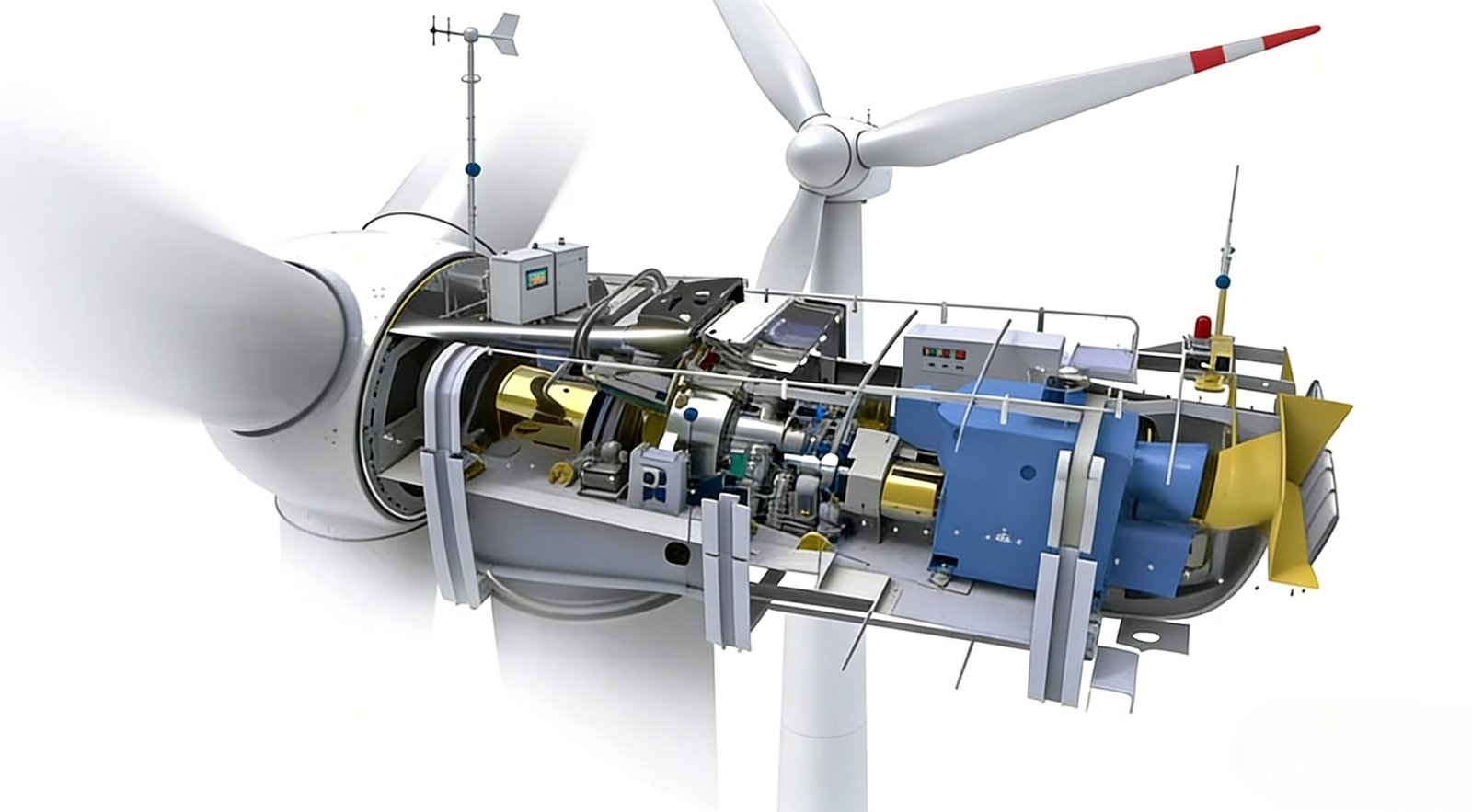
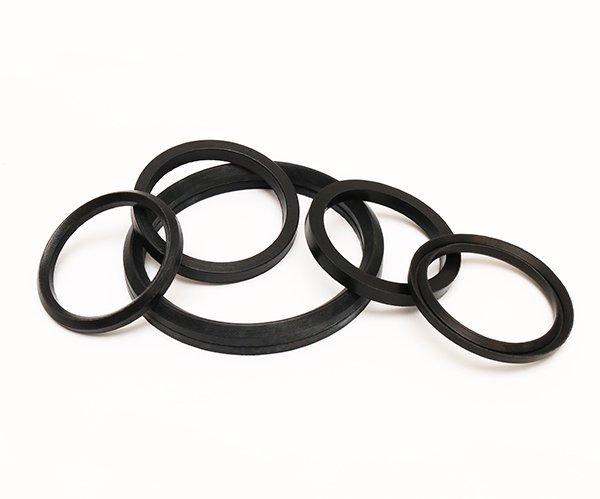
In our modern world, we are surrounded by complex machinery that operates with remarkable precision and reliability. From the vehicles that transport us to the power plants that light our homes, their seamless function depends on a host of critical components working in harmony. Among the most vital, yet often overlooked, of these components is the industrial seal. The fundamental act of sealing—creating a barrier to prevent the unwanted passage of substances—is a cornerstone of nearly every engineering discipline. But what is a sealing ring? In its essence, a seal is a device meticulously designed to join mechanical parts together, containing pressure, preventing leakage, and excluding harmful contaminants.
This guide will serve as a comprehensive introduction to the fundamental principles of sealing technology. We will explore the core concepts that govern how seals work, embark on a detailed tour of the most common types of sealing ring, from the ubiquitous O-ring to highly specialized metallic rings, and examine their applications across a wide range of industries. The goal is to provide a clear, readable, and foundational understanding of these essential components, illustrating why proper seal selection and application are critical for operational safety, efficiency, and longevity. As a trusted global partner in sealing technologies, QZSEALS is dedicated to engineering excellence, delivering solutions built to withstand the most demanding environments and solve the most critical sealing challenges.
Chapter 1: The Fundamental Principles of Sealing
To appreciate the diversity of seals, one must first understand the core principles that define their function. While the designs may vary dramatically, the underlying purpose remains constant: to create a secure and reliable barrier between two or more surfaces.
The Primary Functions of a Sealing Ring
Every sealing ring, regardless of its design, is engineered to perform one or more of three primary functions:
- Fluid Containment: This is the most common objective. In a hydraulic system, sealing rings are responsible for containing high-pressure fluid within pumps, cylinders, and hoses, allowing for the efficient transmission of power. In a simple gearbox, an oil seal keeps lubricant where it belongs, protecting the gears.
- Contaminant Exclusion: Sealing ring act as a barrier to the outside world, protecting sensitive internal components from harmful external contaminants. This includes dust, dirt, moisture, and chemicals. This function is vital for extending the service life of bearings, electronics, and other precision parts.
- Pressure Management: Many seals must withstand significant pressure differentials. This can mean containing high positive pressure, as in a pressure vessel, or maintaining a vacuum, as in semiconductor manufacturing.
The Two Worlds of Sealing Ring: Static vs. Dynamic
The single most important factor that dictates the design of a seal is whether the surfaces it is sealing are in motion relative to one another. This divides the world of sealing into two distinct categories.
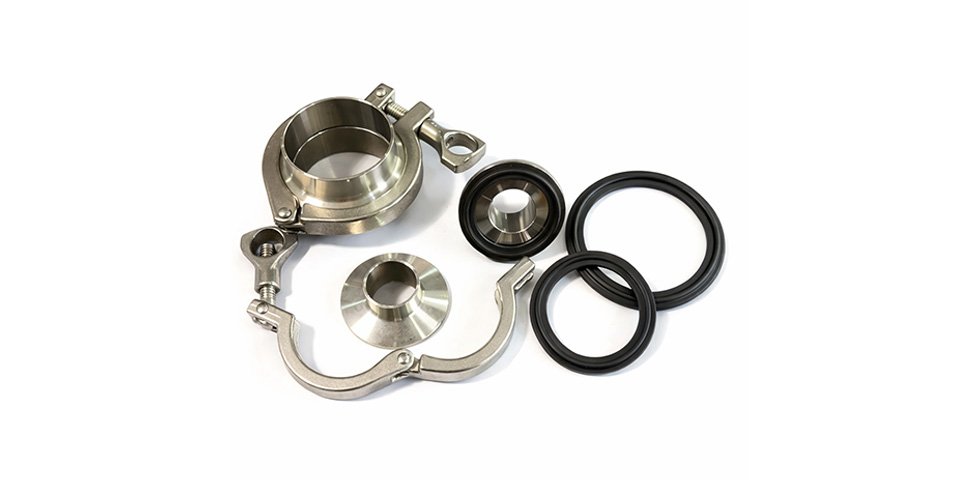
- Static Seals: A static sealing ring is used in an application where there is no movement between the two mating surfaces once they have been assembled. The components are fixed in place. The most classic example of a static seal is the gasket. A gasket is a deformable material that is compressed between two stationary flanges, filling any microscopic surface irregularities to create a tight seal. Our comprehensive range of Gaskets offers reliable solutions for these fixed applications.
- Dynamic Seals: A dynamic sealing ring is required when there is relative motion between the sealing surfaces. This presents a far greater engineering challenge, as the seal must maintain its integrity while managing friction, wear, and heat generation. Dynamic seals are further subdivided into:
- Reciprocating Seals: Designed for back-and-forth linear motion, as seen with a piston moving in a cylinder. This is the domain of Hydraulic Seals and Pneumatic Seals.
- Rotary Seals: Designed for rotating motion, such as a shaft spinning within a housing. Oil Seals are the quintessential example of a rotary seal.
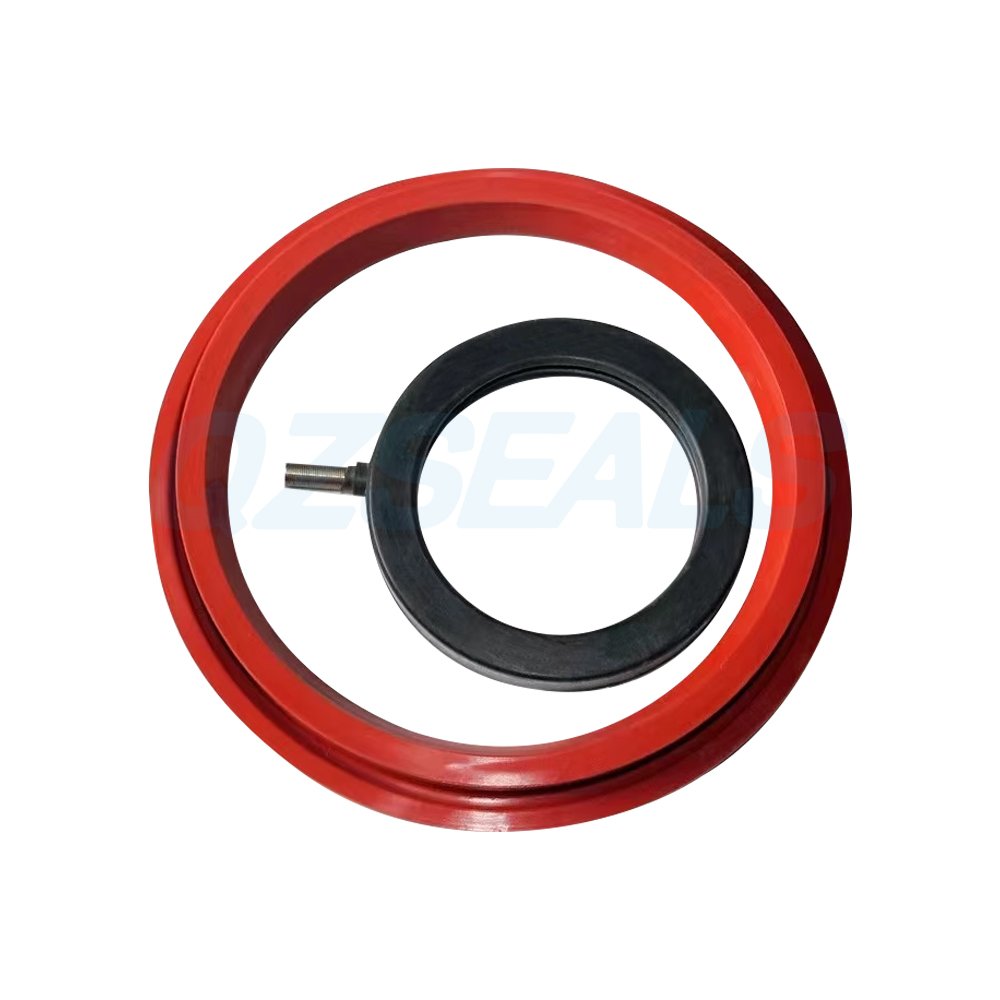
Chapter 2: A Tour of Common Seal Types: From the Simple to the Specialized
The vast number of applications has led to an equally vast array of seal designs. Understanding the most common categories is the first step toward selecting the right component for any given job.
O Rings: The Universal Sealing Solution
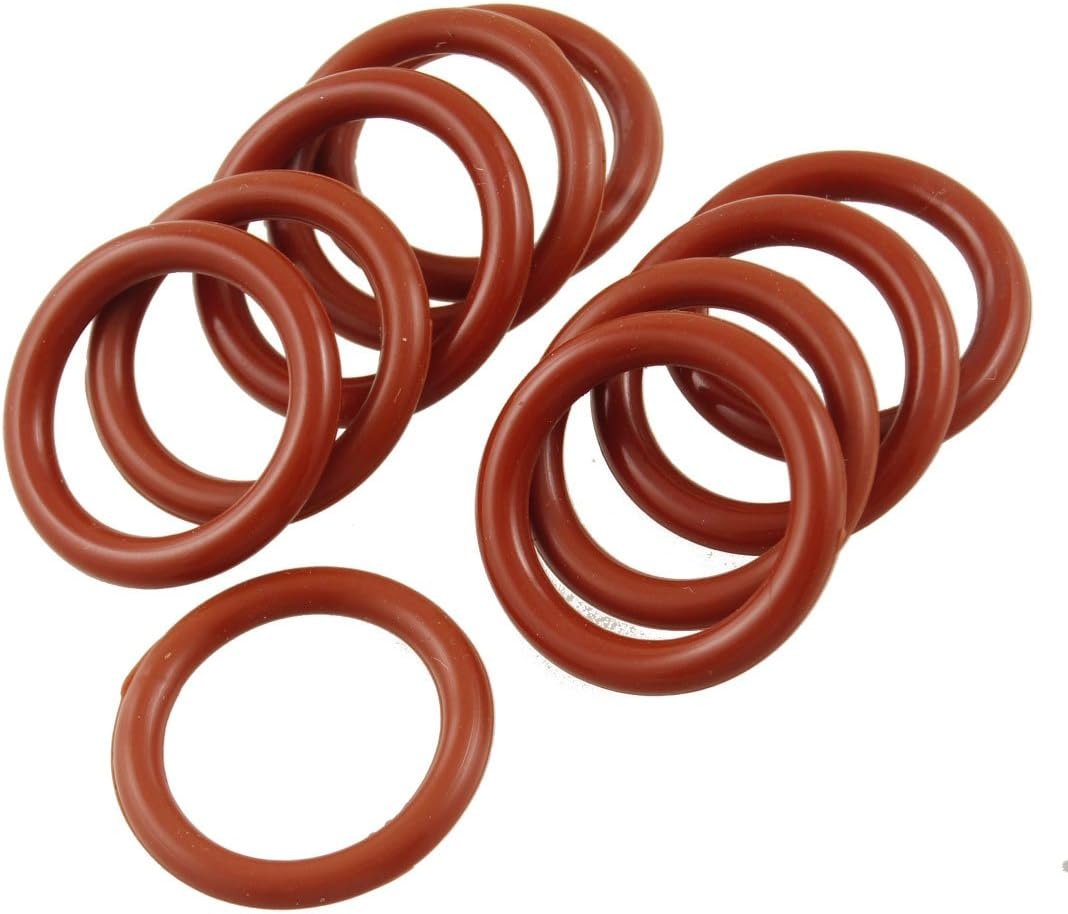
The O rings are perhaps the most recognizable and widely used sealing in the world. Its simple geometry—a torus, or doughnut shape—belies its remarkable effectiveness and versatility.
- How They Work: O rings designed to be seated in a groove and compressed during assembly. This initial “squeeze” creates a sealing ring. When system pressure is applied, it pushes the O rings against the groove wall, increasing the sealing force and making it a highly efficient, pressure-energized seal.
- Applications: Their simplicity and effectiveness make them suitable for a huge range of both static and dynamic applications, from plumbing fixtures to complex aerospace hardware.
- Variations: For applications where standard sizes are not suitable, O-ring cord can be cut to length to create custom static sealing ring. For environments with aggressive chemicals, encapsulated O-rings offer a solution by combining a flexible elastomeric core with a protective, chemically inert outer jacket.
Hydraulic & Pneumatic Seals: The Power of Fluid Systems
Fluid power systems rely on a sophisticated ecosystem of sealing ring to generate and control immense force. These seals do not work in isolation but as an integrated system.
- Piston Seals: Located on the head of a piston, a piston seal prevents fluid from bypassing from one side of the cylinder to the other, ensuring efficient force generation. Designs like the SPG piston seal are engineered for robust, long-lasting performance in demanding applications.
- Rod Seals: Positioned in the cylinder head, a rod seal seals against the reciprocating rod, preventing fluid from leaking out of the cylinder. This is critical for safety and environmental protection.
- Wiper Seals: A wiper seal is the first line of defense, installed on the exterior of the cylinder head to scrape dirt, moisture, and other contaminants from the rod as it retracts, thereby protecting the entire internal system.
- Wear Rings & Guide Strips: While not seals themselves, these components are vital to the system’s longevity. Wear rings and guide strips guide the piston and rod, preventing metal-to-metal contact and ensuring the seals operate in a stable, concentric environment.
Oil Seals (Rotary Shaft Seals): Sealing in Motion
Sealing a rotating shaft is a fundamental challenge in mechanical design. The oil seal, also known as a rotary shaft seal, is the classic solution.
- Construction: A typical TC Oil Seal consists of a rigid metal case for a secure fit in the housing, a flexible elastomeric sealing lip, and a garter spring that provides constant radial force on the lip.
- How They Work: The seal works by maintaining a microscopic film of oil between the sealing lip and the rotating shaft. This principle of hydrodynamic lubrication is crucial, as it cools and lubricates the seal itself, minimizing friction and wear while still preventing significant leakage.
- Applications: They are essential in any equipment with a rotating shaft, including gearboxes, electric motors, and vehicle axles. A crankshaft seal in an engine is a perfect example of a critical oil seal application.
Chapter 3: Advanced Sealing for Extreme Environments
When operating conditions push beyond the limits of conventional materials and designs, a new class of advanced seals is required. These solutions are engineered for the most demanding applications on Earth and beyond.
Spring-Energized Seals: When Performance is Non-Negotiable
For applications involving cryogenic temperatures, extreme heat, high pressures, or aggressive chemicals, the spring energized seal provides a reliable solution where elastomers would fail.
- Construction: This advanced seal consists of a precision-machined jacket made from a high-performance polymer (like PTFE) and a corrosion-resistant metal spring energizer.
- How They Work: The polymer jacket provides the chemical resistance and low-friction sealing surface, while the spring provides a constant, resilient force to activate the sealing lips. This ensures a tight seal across a vast range of temperatures and pressures. The type of spring, such as a helical spring or a meander V-spring, can be chosen to fine-tune the seal’s performance.
- Applications: They are widely used in the aerospace, oil & gas, medical, and semiconductor industries. Explore our full range of spring energized seals for your most challenging environments.
Metal Sealing Ring: The Ultimate in Durability
In the absolute most extreme environments—such as inside a nuclear reactor, a rocket engine, or an ultra-high vacuum chamber—even advanced polymers cannot survive. In these cases, engineers turn to metal seals.
- How They Work: Unlike sealing ring that rely on elasticity, metal sealing ring works by deforming under a very high clamping load to conform to the micro-finish of the mating hardware. This creates an exceptionally robust metal-to-metal seal.
- Types: A common design is the hollow metal O-ring, which offers some degree of spring-back. These metal sealing rings are the ultimate solution for applications involving extreme heat, cryogenic cold, high radiation, or hard vacuum.
Chapter 4: The Critical Role of Material Science
A sealing ring’s design is only half the story. Its ability to perform under pressure is fundamentally determined by the material it is made from. Material science is at the very core of sealing technology, and selecting the right material is a critical step in the design process.
Common Material Families
- Elastomers (Rubber): The most common family of sealing ring materials. A typical rubber seal is valued for its elasticity and resilience. This family includes:
- Nitrile (NBR): The workhorse of the industry, offering excellent resistance to petroleum oils.
- FKM (Viton®): A high-performance material for high temperatures and broad chemical resistance.
- Silicone (VMQ): Unmatched for its wide temperature range and clean, sanitary properties.
- EPDM: Known for its outstanding resistance to weathering, water, and steam.
- Plastics & Fluoropolymers: These materials are chosen for their unique properties.
- PTFE: Known for its near-universal chemical resistance and extremely low friction. It is the material of choice for many PTFE gaskets and the jackets of spring-energized seals.
- PEEK: An exceptional high-performance plastic that retains its strength at very high temperatures, making it ideal for components like the PEEK Valve Plate used in demanding air compressors.
- PET: A strong and stable plastic used for precision components like the PET balls found in check valves.
For a deeper dive into these materials and more, explore our sealing material section.
Chapter 5: Practical Considerations: Installation and Replacement
Even the most advanced, perfectly specified seal in the world can fail if it is not installed correctly. The final stage of a seal’s journey into service is one of the most critical. Damage during installation is one of the most common causes of premature seal failure. This includes nicks and cuts from sharp edges on hardware or the use of improper tools. Always ensuring that hardware is deburred, clean, and properly lubricated is essential for a successful installation.
Over time, all seals will eventually wear out. A proactive maintenance strategy includes a well-planned schedule for seal replacement. When a seal does fail, it is crucial to use a high-quality replacement. Using a subpar component is a false economy, as the cost of the resulting downtime and potential collateral damage to the machinery will far outweigh any initial savings on the part itself.
Conclusion: The Unseen Pillar of Modern Industry
Sealing technology is a deep and complex field, but its principles are fundamental to the reliability of nearly every machine we depend on. From the basic seal meaning of creating a barrier, we have seen how this concept extends to a vast array of sophisticated, highly engineered components. Each seal, whether it is a simple gasket or a complex, spring-energized device, is a testament to the power of precision engineering and advanced material science.
At QZSEALS, this is our passion. We were created to deliver high-quality standard and fully customized sealing solutions to a global clientele, helping them solve their most critical sealing challenges. Our commitment to strict quality control, continuous innovation, and customer-first service ensures that every component we produce—from small batches to mass production—meets the highest international standards. As a reliable industrial partner, we provide not just parts, but performance, delivering the sealing solutions that form the unseen pillar of modern industry.