

FKM vs FFKM vs FEPM is a core material selection challenge in high-performance sealing systems, where elastomer choice directly influences reliability, safety, and total operating cost. Material selection is never a minor detail in such applications. For industries including chemical processing, oil & gas, semiconductor manufacturing, aerospace, and advanced equipment manufacturing, seals are routinely exposed to high temperatures, aggressive chemicals, pressure cycling, and demanding service conditions. Under these environments, selecting the wrong elastomer can lead to premature seal failure, unplanned equipment downtime, product contamination, or even catastrophic safety risks.
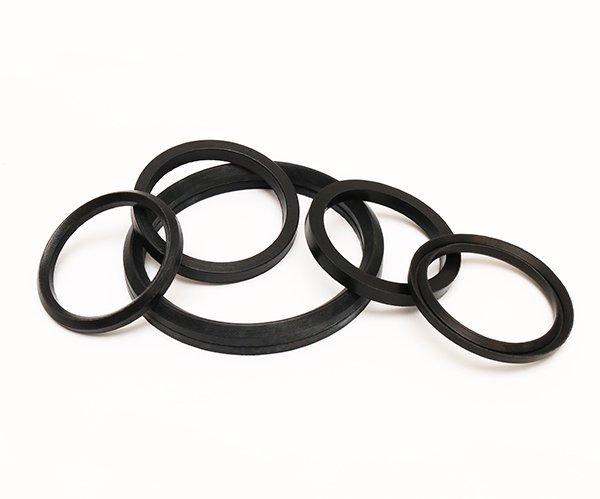
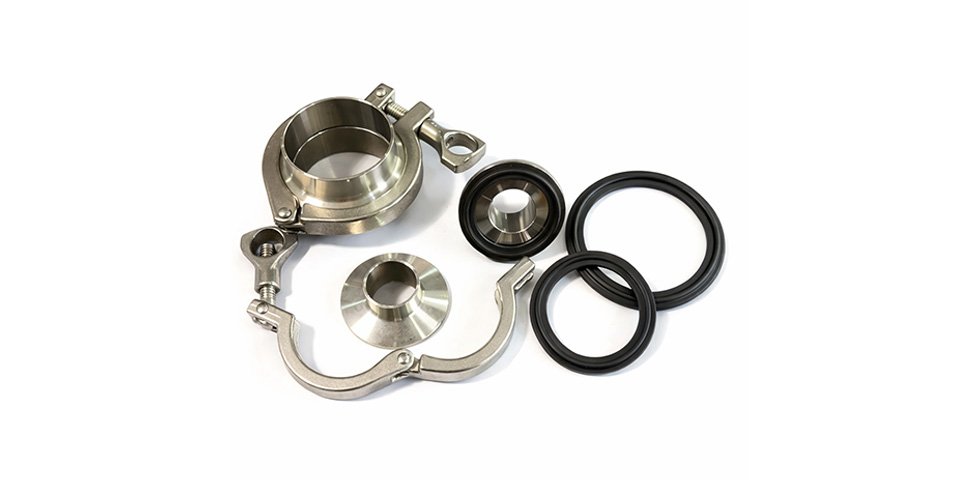
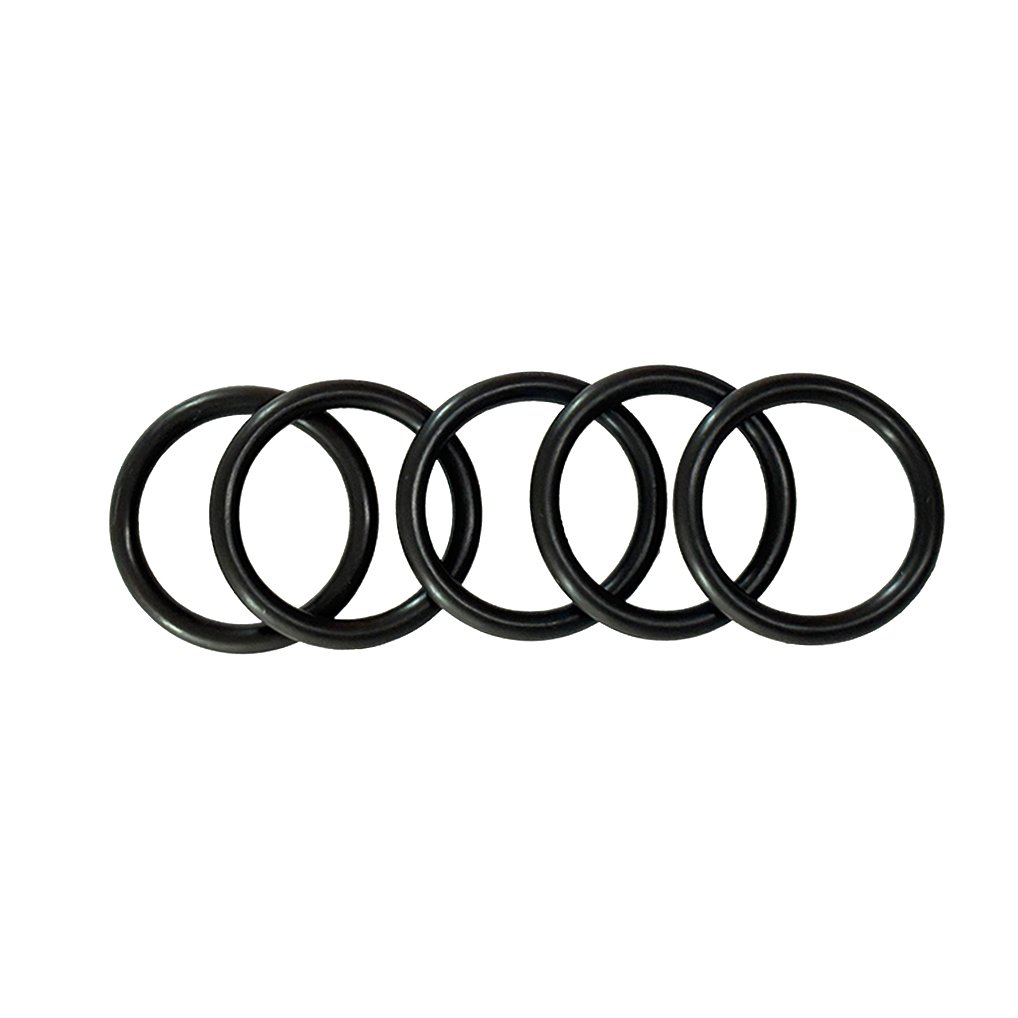
Among fluoroelastomers, FKM, FFKM, and FEPM (AFLAS®) are frequently discussed — and frequently confused. Although these materials share similar names, their chemical structures, performance limits, and target applications differ significantly. In industrial sealing applications, these materials are often used as O-rings, such as FKM O-rings, FFKM O-rings, and FEPM O-rings.
At QZSEALS, we work closely with global OEMs and industrial users to engineer sealing solutions for extreme environments. This article provides a practical, engineering-oriented comparison of FKM, FFKM, and FEPM, helping you select the most suitable material based on real operating conditions — not marketing claims.
1. Understanding the Molecular Structure: Why Chemistry Matters
The fundamental differences between FKM vs FFKM vs FEPM originate at the polymer backbone level. Molecular structure directly determines heat resistance, chemical compatibility, and long-term sealing stability, making material chemistry the decisive factor in high-performance sealing applications.
FKM (Fluoroelastomer)
FKM typically consists of vinylidene fluoride (VDF) copolymerized with hexafluoropropylene (HFP) and/or tetrafluoroethylene (TFE).
Its polymer chain contains a high proportion of C–F bonds, along with a limited number of C–H bonds.
Key implications:
Strong resistance to oils, fuels, and many chemicals
Balanced performance-to-cost ratio
Slight vulnerability to strong bases and polar solvents
FKM remains the most widely used fluoroelastomer in industrial sealing.
FFKM (Perfluoroelastomer)
FFKM is a fully fluorinated elastomer, typically based on TFE and perfluorinated vinyl ether (PMVE).
Its molecular backbone contains no C–H bonds, only C–F and C–O–C bonds, making it chemically comparable to PTFE — while retaining elastomeric flexibility.
Key implications:
Near-universal chemical resistance
Exceptional high-temperature stability
Minimal degradation in aggressive media
FFKM represents the highest-performance class of elastomeric sealing materials available today.
FEPM (TFE–Propylene, AFLAS®)
FEPM is a copolymer of tetrafluoroethylene (TFE) and propylene. While it contains some C–H bonds, its molecular structure provides outstanding stability in alkaline and steam-rich environments.
Key implications:
Superior resistance to bases, amines, and hot water
Excellent steam resistance
Targeted performance for specialized industries
2. FKM vs FFKM vs FEPM: Continuous vs. Intermittent Temperature Exposure
Temperature is often the first limiting factor in seal selection.
| Material | Continuous Operating Range | Short-Term Exposure |
| FKM | -20°C to 200°C (special grades up to 250°C) | ~280°C |
| FFKM | 260°C to 300°C (some grades up to 320°C) | Up to 360°C |
| FEPM | -40°C to 200–220°C | ~250°C |
Engineering guidance from QZSEALS:
For extreme continuous high temperatures, FFKM is the only reliable elastomer.
For standard high-temperature industrial systems, FKM remains sufficient and cost-effective.
For hot water and steam under pressure, FEPM often outperforms FKM.
3. Chemical Resistance Comparison
FKM
Resistant to:
Mineral oils and synthetic lubricants
Fuels and hydrocarbons
Many acids and solvents
Limitations:
Poor resistance to strong alkalis
Not recommended for ketones, esters, or amines
FFKM
Resistant to:
Strong acids and bases
Oxidizers
Ketones, esters, alcohols
Reactive gases and ultra-pure process chemicals
Limitations:
Certain halogenated compounds and strong oxidizing acids may cause swelling (grade-dependent)
FFKM is widely regarded as chemically inert for most industrial applications.
FEPM
Resistant to:
Strong bases
Amines
Hot water and steam
Acidic media
Limitations:
Reduced resistance to aromatic fuels and some solvents
FEPM is often selected specifically where FKM fails in alkaline environments.
4. Mechanical and Sealing Performance
| Property | FKM | FFKM | FEPM |
| Tensile Strength | High (15–25 MPa) | Medium | Medium |
| Compression Set | Moderate | Excellent | Better than FKM |
| Elastic Recovery | Good | Good | Good |
From a sealing perspective:
FFKM excels in long-term compression stability at elevated temperatures
FEPM offers better compression resistance than FKM in steam and alkaline systems
FKM provides excellent wear resistance for dynamic applications
5. Typical Industrial Applications
FKM
Automotive fuel systems
Engine and transmission seals
Oil & gas equipment
General-purpose O-rings, gaskets, oil seals
FFKM
Semiconductor etching and deposition equipment
Chemical reactors and aggressive process systems
Aerospace propulsion systems
High-vacuum and ultra-clean environments
FEPM
Oilfield equipment exposed to alkaline media
Steam valves and high-temperature water systems
Chemical transfer systems with amines
Power generation and process industries
6. Cost Considerations and Value Engineering
| Material | Relative Cost |
| FKM | Low |
| FEPM | Medium |
| FFKM | Very High (5–10× FKM) |
QZSEALS recommendation:
Material selection should be based on total lifecycle cost, not unit price alone. In many cases, upgrading from FKM to FEPM or FFKM significantly reduces maintenance frequency and unplanned downtime.
7. QZSEALS Material Selection Philosophy
At QZSEALS, we do not promote “one-size-fits-all” materials. Instead, we evaluate:
Operating temperature (continuous & peak)
Media composition and concentration
Pressure and dynamic conditions
Service life expectations
Cost-performance balance
Our engineering team supports custom compound selection, profile design, and validation testing, ensuring each sealing solution is optimized for its real-world application.
Conclusion
While FKM vs FFKM vs FEPM all belong to the fluoroelastomer family, their performance envelopes are fundamentally different, particularly in terms of temperature limits, chemical resistance, and long-term sealing reliability.
FKM remains the industrial workhorse for high-temperature and oil-resistant sealing.
FFKM is indispensable for extreme chemical and thermal environments.
FEPM fills a critical niche in alkaline, amine-rich, and steam applications.
Selecting the right material is not about choosing the most advanced option — it’s about choosing the right elastomer for the right environment.
For complex or demanding sealing challenges, QZSEALS provides engineering-driven solutions, not just products.