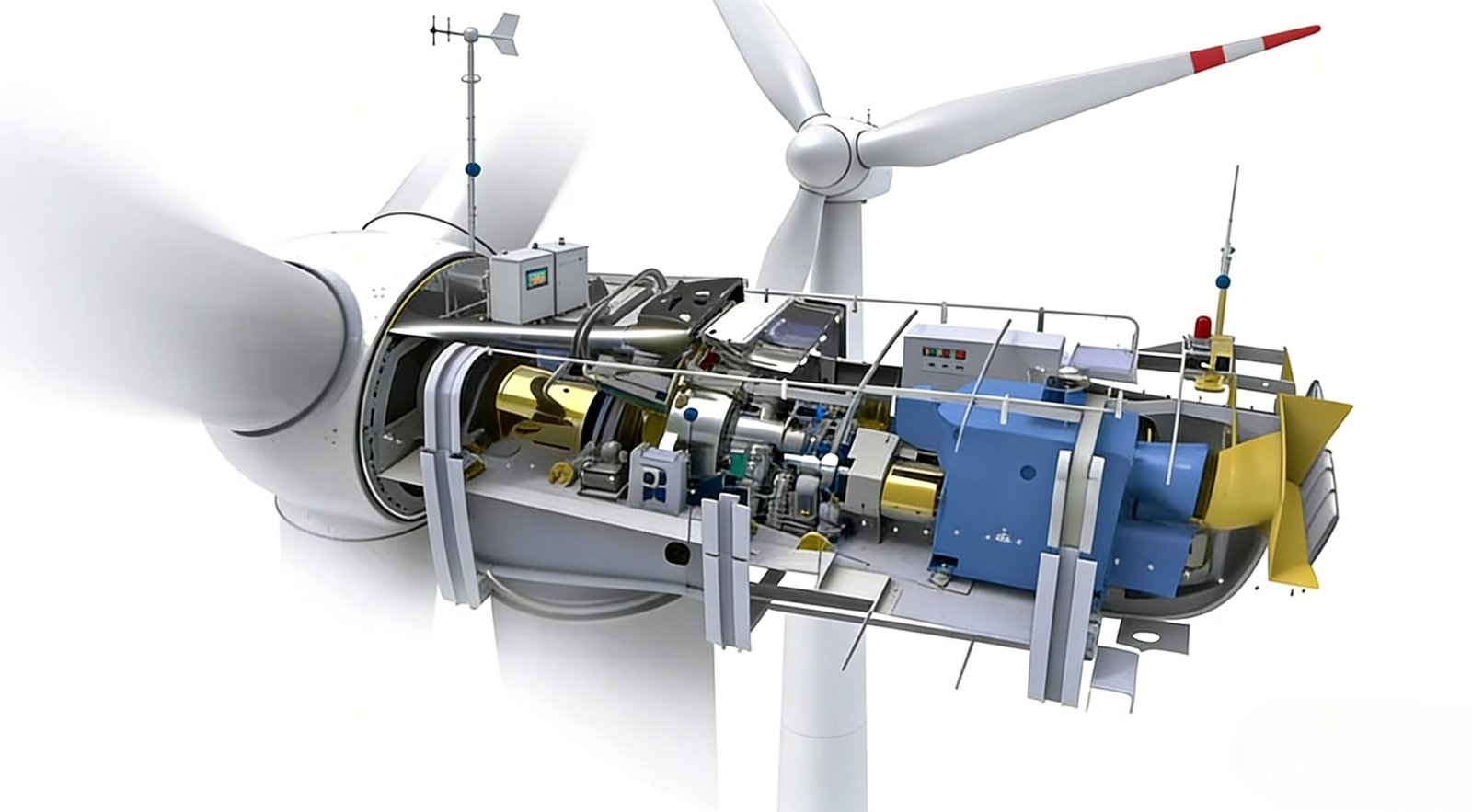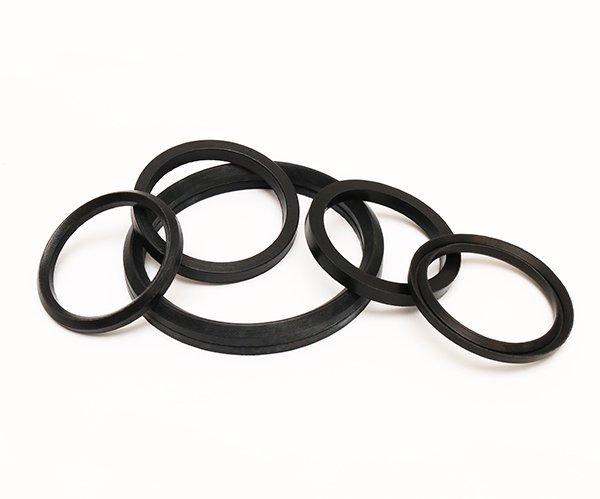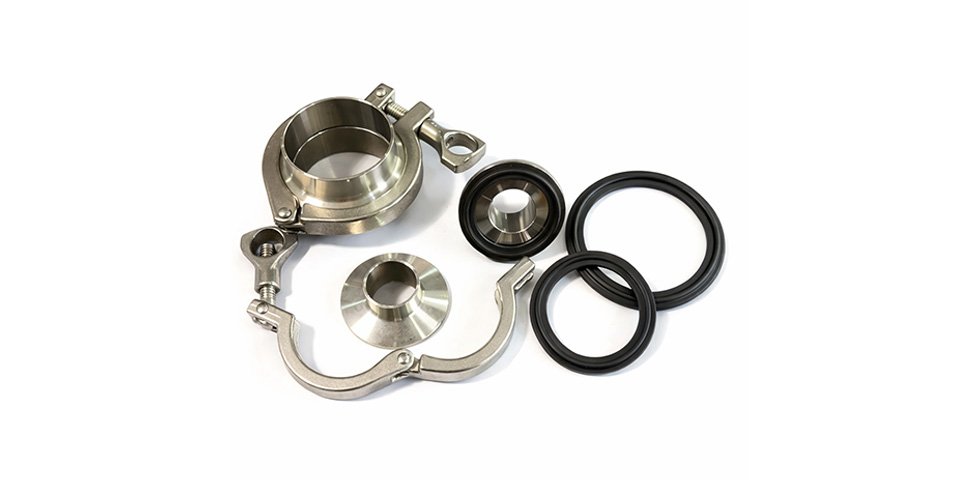


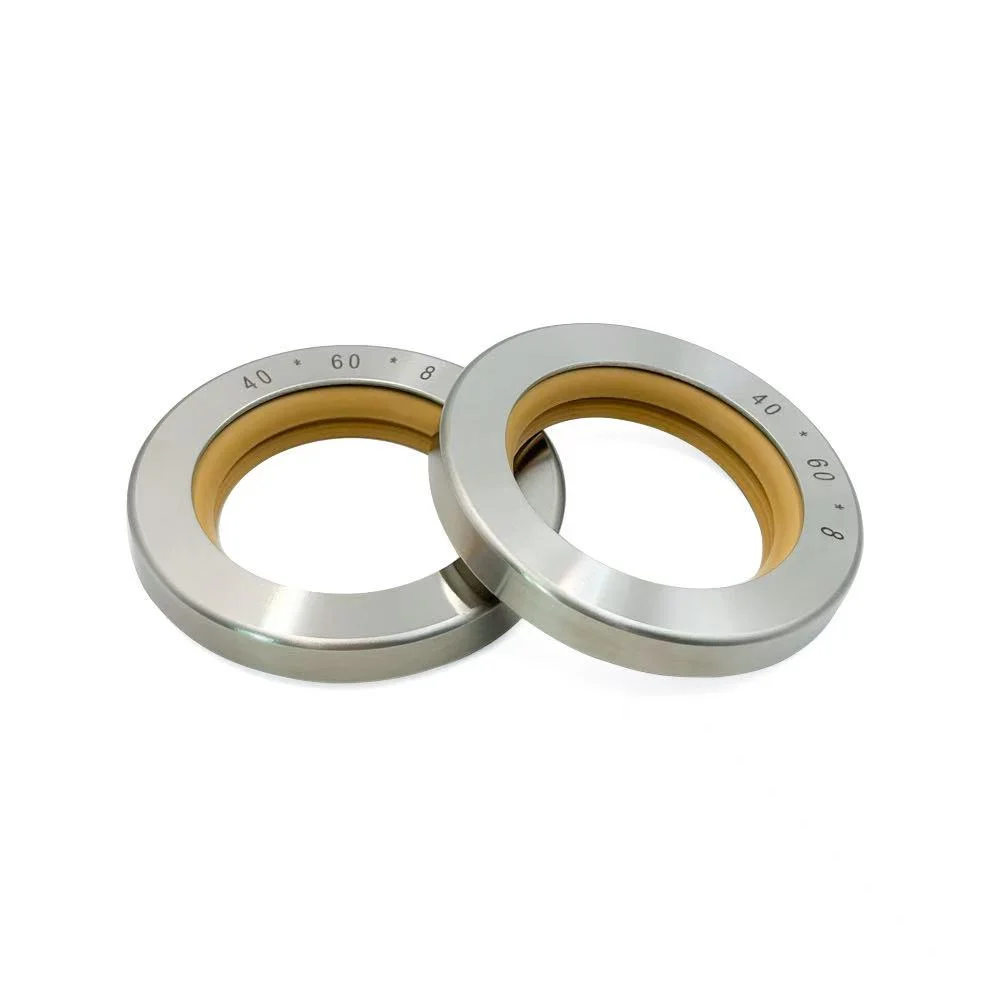
Lip seals are one of the most widely applied dynamic sealing solutions in industrial equipment and mechanical systems, often referred to as oil seals or industrial lip seals. They are especially suitable for sealing applications involving axial movement and are commonly used in components such as bearings, hydraulic cylinders, gearboxes, and various types of rotating or reciprocating machinery.
This article provides a comprehensive introduction to lip seal, explaining their basic working principles, structural designs, and different classifications. It also discusses the main performance characteristics of lip seals, including sealing efficiency, wear resistance, friction behavior, and service life under different operating conditions. By analyzing typical application scenarios, readers can better understand how lip seals function in real‑world environments and how to select the appropriate type for specific sealing requirements.
For readers who want to explore professional sealing solutions from a recognized global manufacturer, SKF offers a wide range of industrial lip seal and shaft sealing solution. These high‑quality products are designed for various rotating and reciprocating applications across industries. You can learn more about SKF’s sealing portfolio on their official site here: SKF Industrial Seals.
Working Principle of Lip Seals
1.1 Basic Structure
Lip seal is composed of an annular elastomer ring featuring one or more flexible sealing lips. The lip is a specially shaped rubber protrusion designed to maintain close contact between the rotating or reciprocating shaft and the housing, thereby achieving an effective seal.
Lip seal is typically installed inside the housing, with the sealing lip pressed directly against the shaft surface. The sealing performance relies on the elastic deformation of the lip material, which allows it to adapt to shaft tolerances and surface irregularities while maintaining continuous contact.
1.2 Sealing Mechanism
The sealing mechanism of lip seal is primarily based on the elastic behavior of the sealing lip. During equipment operation, relative motion occurs between the shaft and the lip. Owing to its elasticity, the lip remains tightly fitted to the shaft surface, forming a reliable sealing interface that prevents fluid leakage and blocks external contaminants.
In addition to its sealing function, the lip also provides an oil-retaining or oil-scraping effect. It helps guide lubricating oil on the shaft surface back into the system, ensuring proper lubrication while reducing oil loss. This dual function makes lip seal highly effective and widely used in dynamic sealing applications.
Types of Lip Seals
2.1 Single Lip Seal
The single lip seal is the most commonly used form among lip seals and features a single sealing lip. This type of lip seal is mainly applied in low- to medium-speed axial sealing applications, where it effectively prevents the leakage of liquids and gases under stable operating conditions.
Single lip seals are characterized by a simple structural design, easy installation, and relatively low manufacturing cost. Due to these advantages, they are widely used in general industrial equipment, bearings, and basic hydraulic systems where sealing requirements are moderate. Some popular models include CR 21670 Oil Seals, CR 11366 Oil Seal, and L2M Oil Seal for various applications.
2.2 Double Lip Seal
Double lip seals are designed with two sealing lips, typically consisting of an inner oil-sealing lip and an outer dust-prevention lip. This structure allows double lip seals to provide enhanced sealing performance, making them suitable for higher speeds and more demanding pressure conditions.
The outer lip is usually made of a harder material to block external dust, dirt, and contaminants, while the inner lip is softer and optimized for oil retention and sealing. Although double lip seals offer superior protection and reliability compared to single lip seals, their manufacturing and material costs are relatively higher. For more details and options, you can check out TC oil seals and PTFE oil seals.
A typical example of a heavy-duty double lip sealing solution is the Danieli Double Lip Seal, which is widely used in rolling mill and metallurgical equipment. Designed to meet the demanding operating conditions of Danieli rolling mills, this seal features a reinforced double-lip structure that ensures reliable oil retention while effectively blocking scale, dust, and cooling water.
The Danieli Double Lip Seal is commonly manufactured from high-performance elastomers such as HNBR, offering excellent resistance to high speed, high temperature, and abrasive environments. Its robust design makes it particularly suitable for continuous operation in steel rolling applications where sealing reliability and service life are critical.
2.3 High-Temperature Lip Seal
High-temperature lip seal is specifically developed for sealing applications in extreme thermal environments, they are manufactured from high-temperature-resistant materials such as fluororubber (FKM) or fluorosilicone rubber, allowing them to operate continuously at temperatures exceeding 200°C.
High-temperature lip seal are widely used in applications such as automotive engines, industrial furnaces, and high-temperature processing equipment, where conventional lip seal would fail due to thermal degradation.
2.4 Low-Friction Lip Seal
Low-friction lip seal is made from materials with a low coefficient of friction and are designed for high-speed dynamic sealing applications. These seals significantly reduce friction between the sealing lip and the shaft surface, minimizing heat generation and material wear during operation.
By reducing friction and wear, low-friction lip seal helps extend the service life of both the seal and the shaft. They are commonly used in high-speed rotating equipment such as electric motors, high-speed pumps, and precision machinery where efficiency and durability are critical.
Features of Lip Seals
3.1 Effective Dust and Water Resistance
One of the key features of lip seals is their excellent ability to block external contaminants. The flexible sealing lip forms a close contact with the shaft surface, effectively preventing dust, moisture, mud, and other impurities from entering the equipment.
In harsh working environments such as outdoor machinery, agricultural equipment, or industrial plants, the dust- and water-resistant performance of lip seals plays a critical role in protecting internal components and maintaining stable operation.
3.2 Good Wear Resistance
Lip seals are typically manufactured from elastomeric materials with high wear resistance, allowing them to maintain reliable sealing performance during long-term rotating or reciprocating motion. Even under demanding conditions such as high speed, high pressure, or continuous operation, lip seals can withstand friction and mechanical stress effectively.
This excellent wear resistance helps extend the service life of both the lip seals themselves and the associated equipment, reducing maintenance frequency and operating costs.
3.3 Easy Installation and Maintenance
Another important advantage of lip seals is their simple structure, which allows for quick and easy installation. In most cases, lip seals can be installed without specialized tools or complex procedures.
In addition, lip seals are usually available in standardized sizes, making replacement and maintenance convenient. This ease of installation significantly reduces downtime and improves overall maintenance efficiency.
3.4 Wide Range of Applications
Lip seal is suitable for a wide variety of operating conditions and equipment types. Whether operating at low or high speeds, under low or high pressure, or in low-temperature or high-temperature environments, there is a suitable lip seal design and material available.
This adaptability is one of the main reasons why lip seals are extensively used across multiple industries, from general machinery to specialized industrial systems.
Applications of Lip Seal
4.1 Bearing Seals
Lip seals are widely used in bearing sealing applications for various types of mechanical equipment, including automotive bearings, industrial fan bearings, and electric motor bearings. It helps retain lubricating grease or oil while effectively preventing dust and contaminants from entering the bearing assembly, ensuring smooth and reliable bearing operation.
4.2 Hydraulic Cylinder Seals
In hydraulic systems, lip seal is commonly used as shaft seals in hydraulic cylinders. Under hydraulic pressure, lip seal form a tight and stable sealing interface that prevents hydraulic oil leakage.
At the same time, the low-friction characteristics of lip seal help reduce wear on the cylinder rod and improve the overall efficiency and service life of the hydraulic system.
4.3 Automotive Engines
Lip seals are extensively used in automotive engines, particularly for crankshaft and camshaft sealing applications. These seals prevent engine oil leakage while also blocking external dust and debris from entering the engine.
By maintaining proper lubrication and cleanliness, lip seal contributes to the stable and efficient operation of the engine.
4.4 Agricultural Machinery
In agricultural machinery, lip seals are commonly applied to rotating and reciprocating components exposed to dust, soil, moisture, and other harsh environmental factors. Lip seal maintains effective sealing performance under these challenging conditions, protecting internal components from contamination and significantly extending the service life of agricultural equipment.
4.5 Industrial Pumps
Lip seals are frequently used as shaft seals in various types of industrial pumps. They help prevent liquid leakage from the pump while simultaneously blocking external impurities from entering the system.
By ensuring reliable sealing and clean internal conditions, lip seals support the stable operation and long-term reliability of industrial pumping equipment.
Selection and Maintenance of Lip Seals
5.1 Selecting the Right Lip Seal
Selecting suitable lip seal is essential to ensure reliable sealing performance and long service life of equipment. The type and material of lip seal should be chosen according to actual operating conditions and sealing requirements.
Key factors to consider include:
Working conditions: Operating temperature, pressure, shaft speed, and motion type have a direct impact on the performance of lip seal.
Sealing medium: The physical and chemical properties of the medium, such as whether it is liquid or gas, viscosity, and lubrication characteristics, should be fully evaluated.
Environmental conditions: External factors such as dust, moisture, and contaminants should be considered, especially for equipment operating in harsh or outdoor environments.
A careful evaluation of these factors helps ensure that the selected lip seal meet the practical requirements of the application.
5.2 Installation and Maintenance of Lip Seals
Correct installation method: lip seal must be installed in the correct position with proper lip orientation. Over-compression or insufficient compression may lead to sealing failure or premature wear.
Regular inspection: periodic inspection of lip seal helps identify wear, aging, or damage at an early stage. Worn or damaged lip seal should be replaced promptly to avoid leakage.
Cleaning and maintenance: keeping the sealing area clean is essential to prevent foreign particles from entering the sealing interface. Proper maintenance can significantly extend the service life of lip seal.
Conclusion
Lip seal is an efficient and reliable dynamic sealing solution widely used in various types of mechanical equipment. By understanding the working principles, types, features, and application scenarios of lip seal, users can make better decisions when selecting and applying them, thereby improving sealing performance and extending equipment service life.
As a professional supplier of sealing products, QZSEALS is committed to providing stable-quality lip seals and practical sealing solutions based on real operating conditions. Guided by a focus on product reliability, technical support, and long-term cooperation, QZSEALS aims to help customers achieve safer, more efficient, and more durable sealing performance in industrial applications.