

Introduction
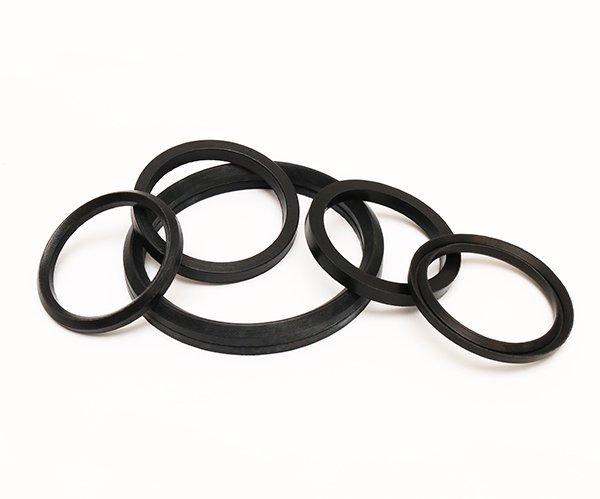
Metal C-ring, also commonly referred to as Metal C-rings, Metal C seals, or C ring seals, are advanced metallic sealing components developed for applications where traditional elastomer seals fail to meet demanding operational requirements. With the rapid development of high-end industrial equipment, especially in vacuum technology, semiconductor manufacturing, and high temperature metal C-ring seals for aerospace, sealing environments have become increasingly extreme. These environments are characterized by ultra-high vacuum levels, wide temperature fluctuations, aggressive chemical media, and high-frequency mechanical cycling.
Under such conditions, sealing performance is no longer a secondary consideration but a critical factor that directly determines system reliability, operational stability, and overall equipment lifetime. Metal C-ring have emerged as a preferred sealing solution precisely because they combine the inherent stability of metallic materials with a carefully engineered elastic structure. Manufactured from precision-formed stainless steel or high-performance alloy strips, Metal C-rings are designed to maintain sealing integrity under conditions involving high temperature, high pressure, strong corrosion, and ultra-high vacuum.
Compared with conventional rubber O-rings or polymer-based seals, metal C-Ring exhibits significantly lower outgassing rates, superior resistance to thermal aging, and much longer service life. For high-performance vacuum systems—especially when considering how to choose metal C-rings for vacuum gate valves—metal sealing solutions provide the temperature stability, structural strength, and low outgassing characteristics required for critical applications.
Structural Characteristics and Sealing Mechanism of Metal C-Ring
The defining feature of a Metal C-ring is its distinctive C-shaped cross-section. This geometry is not merely a structural form but a carefully optimized elastic system. When axial compression is applied, the self-energizing effect of metal C-seals is activated; the open side of the C-ring elastically expands, forcing the outer sealing surface into tight contact with the mating groove. This interaction typically results in a stable line-contact seal, which is superior for ultra-high vacuum (UHV) metal C-ring solutions.
The hollow internal structure of the metal C ring also plays an important role in sealing performance. Similar sealing principles are also applied in other metallic sealing solutions such as hollow metal O-rings, where internal cavities contribute to elastic deformation and enhanced sealing reliability under vacuum and pressure differentials.
During compression, a pressure cavity is formed within the C-shaped profile, which contributes to a self-energizing sealing effect. In vacuum applications, as external pressure decreases, the pressure differential across the seal enhances this expansion behavior, improving contact stress and sealing reliability. This phenomenon is closely related to the elastic deformation of C-ring seals in vacuum and the springback characteristics of metallic C-rings, which enable the seal to maintain stable contact pressure even under fluctuating pressure conditions. This “the higher the vacuum, the better the seal” characteristic aligns particularly well with the functional requirements of vacuum systems, a sealing principle widely recognized in professional vacuum engineering literature such as resources published by the American Vacuum Society (AVS).
In addition, the elastic deformation capability of the C-shaped structure allows metal C-ring to compensate for machining tolerances, surface flatness deviations, thermal expansion of components, and minor structural deformation of equipment. This compensation ability is especially valuable in large-diameter flanges and vacuum gate valves, where perfect geometric alignment is difficult to maintain during operation. In such cases, custom diameter metal C-seals for large flanges are often engineered to ensure consistent sealing performance across large sealing surfaces.
Applications of Metal C-Ring in Extreme Operating Environments
Metal C rings are widely applied in industrial environments where sealing components are exposed to high pressure, aggressive chemical media, and mechanical stress. In oil and gas production, chemical processing plants, and power generation facilities, sealing elements must withstand corrosive fluids, high internal pressures, and long-term static loading. The use of stainless steel or nickel-based alloy materials enables metal C rings to resist chemical attack and maintain structural integrity without swelling, softening, or chemical degradation, which commonly affect elastomer seals.
High-temperature applications represent another major area where metal C-rings demonstrate clear advantages. Many industrial processes operate across extremely wide temperature ranges, from cryogenic conditions to several hundred degrees Celsius. Metal C seals can typically operate from approximately −252°C up to 800°C, demonstrating reliable cryogenic metal C-ring sealing performance as well as excellent stability at elevated temperatures. In aerospace systems, thermal processing equipment, and high-temperature vacuum furnaces, sealing materials must maintain elasticity and sealing force despite repeated heating and cooling cycles. For this reason, high temperature metal C-ring seals for aerospace are often selected where long-term thermal reliability is critical. Unlike rubber seals, metal C-rings do not suffer from thermal aging, carbonization, or permanent compression set at elevated temperatures.
Vacuum and ultra-high vacuum systems are among the most demanding applications for sealing technology. In semiconductor manufacturing, scientific research equipment, and space-related systems, even trace levels of outgassing can compromise process stability and product quality. Ultra-high vacuum (UHV) metal C-ring solutions are therefore widely used because metallic materials exhibit extremely low vapor pressure and minimal gas release. After treatments such as vacuum annealing and precision polishing, metal C seals can achieve outgassing rates compatible with vacuum levels of 10⁻⁹ Pa or lower. In advanced semiconductor manufacturing, including metal C rings for semiconductor plasma etching, these seals help maintain ultra-clean vacuum conditions and are commonly used in vacuum gate valves, isolation valves, and deposition chambers.
Material Properties and Design Flexibility
The performance of a metal C ring is strongly influenced by its material selection. Commonly used materials include stainless steel 316L C-ring seals specifications for standard use, and high-performance nickel-based alloys like Inconel 718. For example, the Inconel 718 metal C-ring temperature range is far superior to standard steels for power generation.
Beyond material choice, metal C-rings also offer significant design flexibility. Their cross-sectional dimensions, wall thickness, and elastic characteristics can be customized to meet specific pressure and load requirements. Surface treatments such as silver, gold, or nickel plating may be applied to reduce friction and improve surface conformity. In vacuum systems, silver plated metal C-rings for vacuum flange applications are often used to enhance sealing performance and ensure reliable metal-to-metal contact. This adaptability allows Metal C-rings to perform effectively in a wide range of sealing scenarios, from ultra-high vacuum environments to high-pressure static applications.
Performance Advantages in Vacuum Systems
In vacuum technology, sealing performance is evaluated not only by leak tightness but also by cleanliness, stability, and durability over time. One of the most significant advantages of metal C-ring in vacuum systems is their extremely low outgassing behavior. Unlike elastomer seals, which release volatile organic compounds and absorbed gases under vacuum, Metal C-ring remains chemically stable and do not introduce contaminants into the vacuum environment.
Another critical advantage is their ability to withstand high-temperature baking and degassing procedures. Ultra-high vacuum systems often require prolonged heating cycles to remove residual gases from chamber surfaces. Metal C seals can tolerate these processes without degradation, whereas most rubber seals fail or lose elasticity under similar conditions.
Furthermore, metal C-ring demonstrates excellent resistance to corrosive gases and plasma environments commonly encountered in semiconductor processes such as plasma etching and chemical vapor deposition. Their metallic construction prevents swelling, erosion, and particle generation, ensuring stable sealing performance and maintaining the cleanliness required in advanced manufacturing environments.
Engineering Challenges and Design Considerations
Despite their many advantages, metal C-ring also introduce certain engineering challenges that must be addressed through careful system design. Compared with elastomer seals, metal C-ring exhibits lower inherent elasticity and therefore require higher sealing forces to achieve optimal contact stress. This makes precise control of compression and groove geometry essential. Improper compression can result in leakage or permanent deformation of the seal.
In many critical applications, metal C-rings are designed as single-use components to ensure maximum sealing reliability. While this can increase initial maintenance costs, it is often justified by the reduction in unplanned downtime and the prevention of catastrophic system failures. In highly regulated industries such as nuclear power, the replacement cycle for metal C-rings in nuclear energy systems is carefully defined to maintain long-term safety and operational stability.
Another important consideration is the quality of the mating sealing surfaces. Metal C seals require high surface flatness and low surface roughness to perform effectively. Any surface defects or contamination may compromise sealing performance. When evaluating sealing options, engineers also consider the comparison of metal O-rings and metal C-rings, as each design offers different load characteristics and sealing behavior. Additionally, differences in thermal expansion coefficients between the metal C rings and surrounding components must be carefully considered, especially in systems subjected to uneven or rapid temperature changes.
Conclusion
Metal C-ring, also referred to as metal C seals or C ring seals, represent a mature and highly reliable sealing technology for ultra-high vacuum (UHV) metal C-ring solutions, high pressures, aggressive or corrosive media, and ultra-high vacuum environments. Their distinctive C-shaped cross-section, combined with the inherent mechanical stability and chemical resistance of metallic materials, allows these seals to deliver consistent and repeatable sealing performance in operating conditions where conventional elastomer-based seals are unable to perform reliably.
At QZSEALS, metal C-ring sealing solutions are engineered with strict control over material selection and the springback characteristics of metallic C-rings to ensure dependable performance. Although metal C rings require higher precision in flange surface finish, groove geometry, and compression control compared to soft seals, their extended service life, exceptionally low outgassing rates, and excellent resistance to thermal cycling and harsh operating environments make them an optimal choice for long-term, mission-critical sealing interfaces.
For industries such as high temperature metal C-ring seals for aerospace, oil and gas, and metal C-rings for semiconductor plasma etching, QZSEALS continues to provide the precision-engineered solutions necessary for maintaining system integrity and operational safety in the most demanding industrial applications.