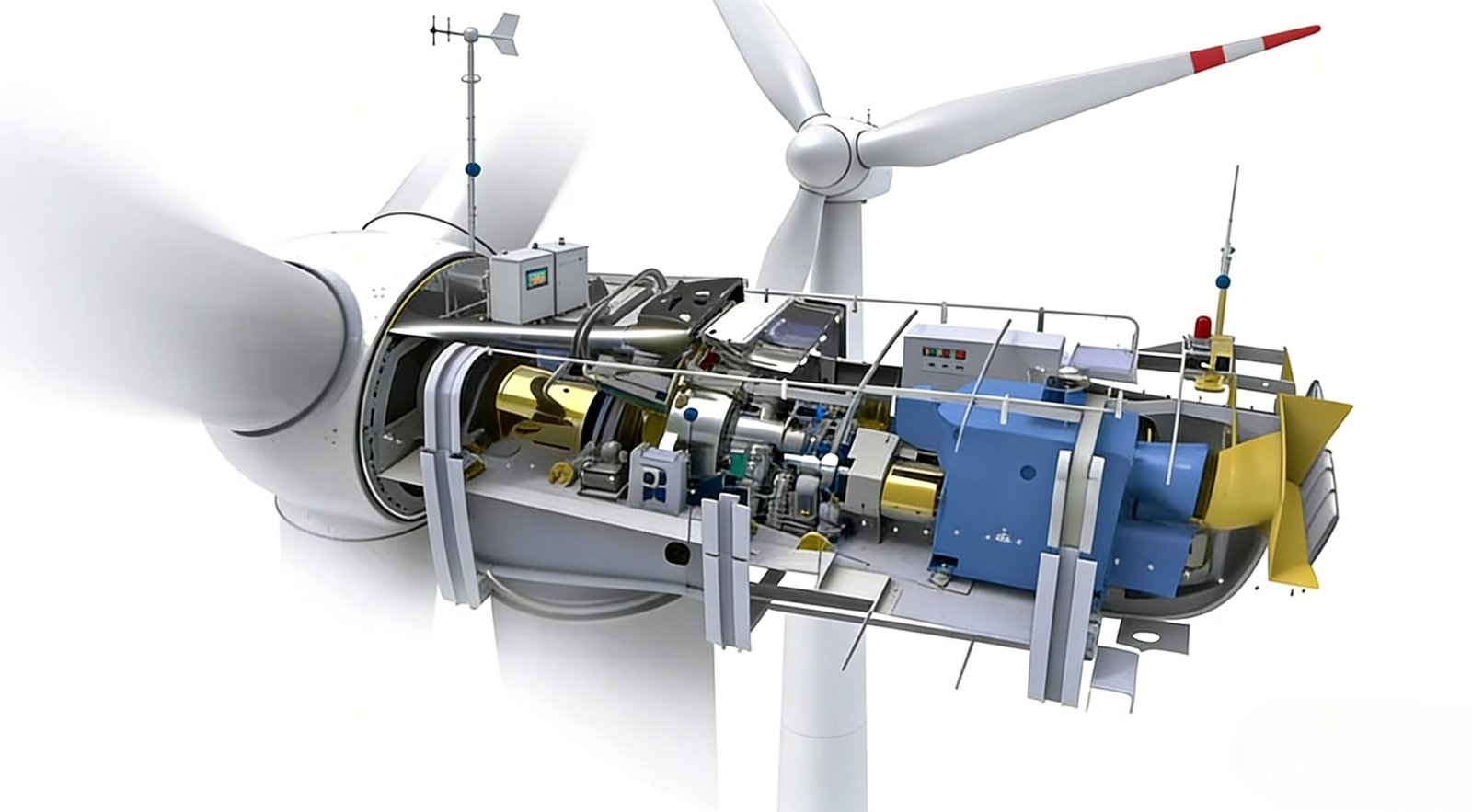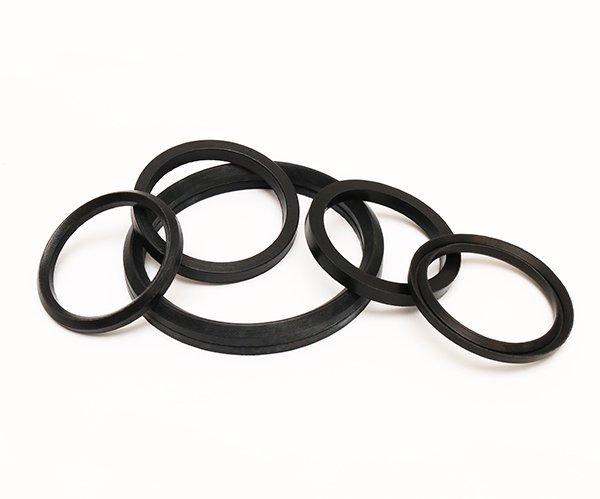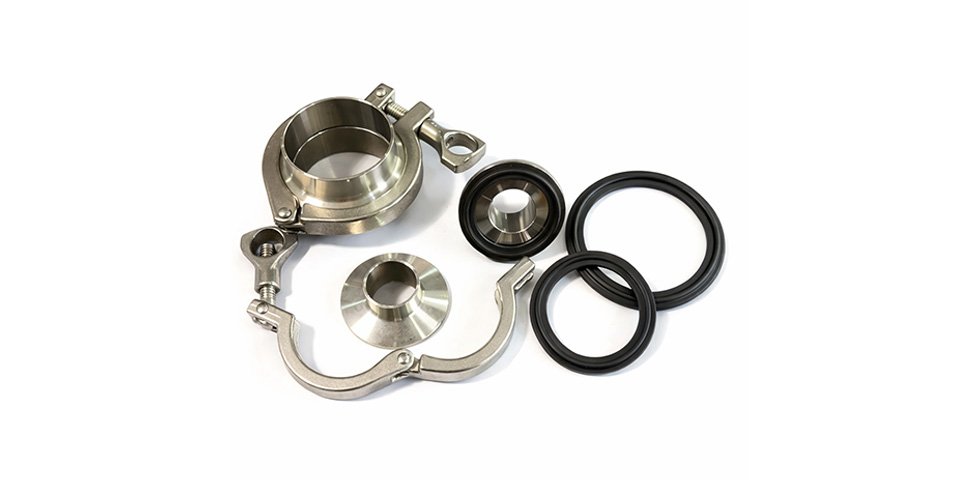



Types of seals play a crucial role in the complex world of industrial engineering, where the reliability and efficiency of an entire system often depend on its smallest and most overlooked components. Across aerospace, automotive, heavy mining, energy, and countless other sectors, the ability to contain pressure, block contaminants, and maintain mechanical stability is essential—and this critical responsibility lies with the seal. As a global provider of industrial sealing solutions, QZSEALS has earned its position as a trusted expert in designing, manufacturing, and supplying high-performance sealing components. From widely used standard O-rings to fully custom seals engineered for extreme environments, our mission is to support OEMs and industrial partners in achieving optimal performance, longer service life, and greater system reliability.
This guide delivers an in-depth exploration of sealing technology. We explain “what is a seal,” analyze the many categories of seals used across industries, and examine the advanced materials that enable them to withstand pressure, friction, chemicals, and environmental challenges. By understanding the fundamentals behind industrial sealing solutions, engineers and designers can make informed decisions that directly enhance operational safety and efficiency.
Defining the Basics: What is a Seal?
Before selecting a product, we must understand the core concepts. What is a seal?
Seals Definition and Meaning
In engineering, a seal is a device used to join systems together. Its primary function is to prevent leakage. It keeps fluids (liquids or gases) contained within a system. Simultaneously, it prevents external contaminants—such as dust, dirt, and moisture—from entering.
The Concept of “Hermetically Sealed”
You may encounter the term “hermetically sealed.” This refers to a state where an object is completely airtight. No gas or liquid can enter or escape. This level of sealing is critical in industries like nuclear energy and pharmaceuticals.
Why Sealing Matters
Without effective sealing, hydraulic pressure drops. Engines overheat due to oil loss. Pneumatic cylinders fail. Whether it is a simple door weather seal or a complex crankshaft seal, the goal is reliability. QZSEALS delivers sealing solutions built to withstand extreme pressures, temperatures, and dynamic environments.
For a deeper industry perspective on sealing technology and how seals perform in real industrial applications, you might find this engineering overview useful:
Engineering Services and Capabilities — Seal Engineering AS — explains the role of seals and sealing solutions in preventing leakage and maintaining system performance across industries.
Classification: Major Types of Seals
Types of seals vary depending on the application, as there is no single solution for every problem. Different environments demand specific geometries and designs. Below, we categorize the primary types of seals used in modern industry.
1. Hydraulic Seals
Hydraulic systems use fluid under high pressure to generate force. Hydraulic seals are critical for maintaining this pressure. They prevent leakage and ensure the system operates efficiently.
Piston Seals
Piston seals are dynamic seals installed on the piston head. They seal against the cylinder bore. This ensures pressure does not bypass the piston. High-performance options include:
- SPGW Piston Seal: The SPGW Piston Seal offers low friction and high wear resistance for heavy-duty applications.
- SPG Piston Seal: For compact designs, the SPG Piston Seal is a standard choice.
- Glyd Rings: The GSF Piston Seal Glyd Ring / PS08 Piston Seal is excellent for reducing stick-slip effects.
- KR Piston Seal: The KR Piston Seal is designed for double-acting cylinders.
Rod Seals
Rod seals are arguably the most critical component in a cylinder. They prevent fluid from leaking out into the environment. If a rod seal fails, the system fails.
- Step Seals: The GSJ Seal Step Seal acts as a primary barrier against high pressure.
- IDI Seals: For standard hydraulic applications, the IDI Rod Seal provides excellent leakage control.
- Compact Solutions: The S8 Rod Seal combines multiple functions in a small profile.
Wiper Seals and Wear Rings
Contamination is the enemy of hydraulics. Wiper seals (or scrapers) clean the rod as it retracts.
- Protection: The GPTA Wiper Seal and PDR Wiper Seal prevent dirt from entering the cylinder.
- Guidance: To prevent metal-to-metal contact, we use guide tapes. The Phenolic Resin with Fabric Wear Ring supports heavy side loads.
2. Pneumatic Seals
Pneumatic systems use compressed air. Friction management is vital here. The Z8 Pneumatic Seal is optimized for low friction and high speed. For specialized cushioning, engineers utilize Cushion Seals like the COP Cushion Seals.
3. Rotary and Oil Seals
Rotating shafts create friction and heat. Oil seals must retain lubricant while the shaft spins. This category includes the crank seal and transmission seal found in automotive applications.
- Standard Rotary Seals: The TC Oil Seal is the industry standard for retaining grease and oil.
- SKF (CR) Equivalent Oil Seals: For maintenance and replacement requirements, QZSEALS supplies dimensionally equivalent alternatives to well-known SKF (CR) oil seals, including CR 21670 Oil Seal (55×90×8 mm) and CR 11366 Oil Seal (28.58×52.37×7.95 mm). These seals are engineered to match original shaft and housing dimensions, ensuring direct interchangeability in automotive and industrial equipment.
- Extreme Conditions: For aggressive environments, PTFE Oil Seals with Stainless Steel provide superior chemical resistance.
- Heavy-Duty and Rolling Mill Applications: The Custom L2M Oil Seal is developed for heavy-duty applications such as rolling mills and large gearboxes, where high peripheral speed, shaft runout, and thermal load are common.
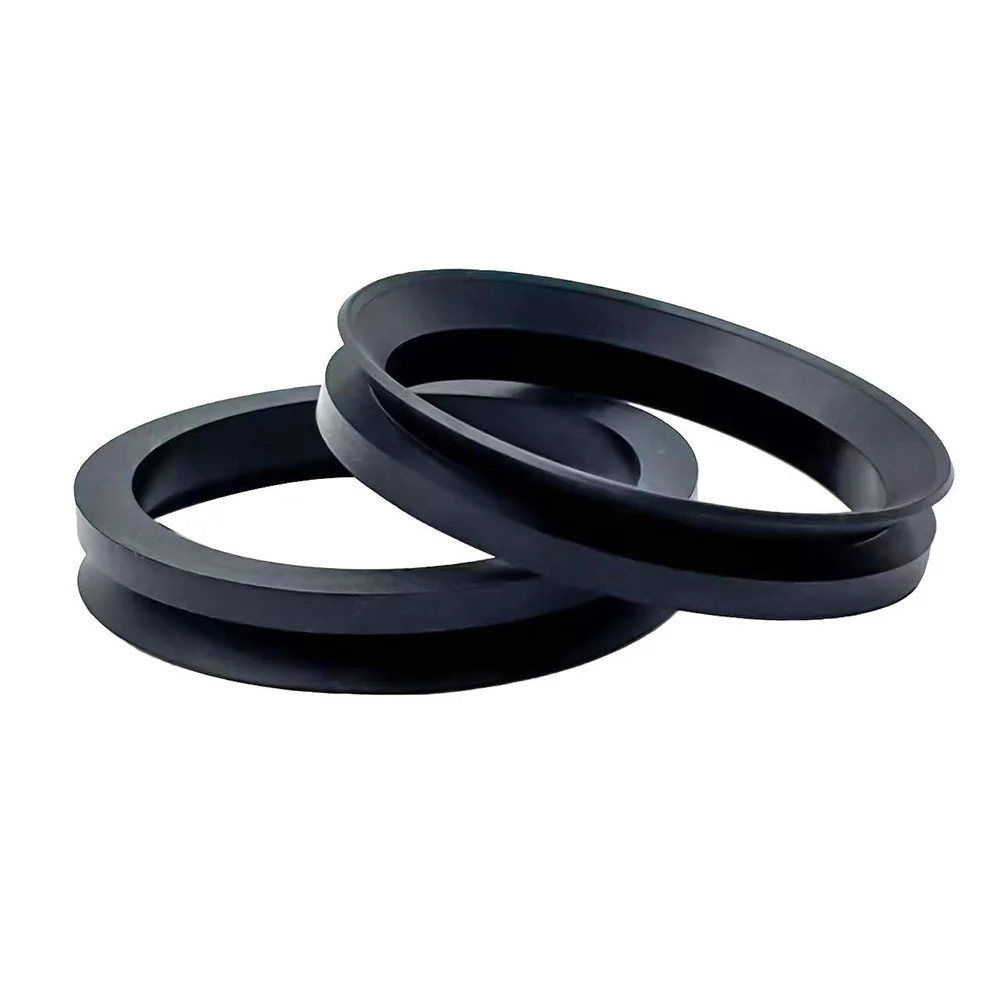
For metallurgical equipment, the Rolling Mill Double Lip Seal is designed with a primary sealing lip for oil retention and a secondary lip for contamination exclusion, ensuring stable performance in high-speed steel processing environments. - V-Rings: These are unique all-rubber seals. They rotate with the shaft. The VL Ring and VS Ring act as slingers to repel dust and water.
4. Static Seals: O-Rings and Gaskets
Static seals are used where there is no movement between surfaces. The most common type is the O-ring.
O-Rings and Cords
O-Ring Rubber Seals are versatile and cost-effective. For large or irregular flanges, O-Ring Cords can be cut and vulcanized to size. In chemical industries, standard rubber may fail. Here, we use the FEP Encapsulated O-Ring. It combines a rubber core with a chemical-resistant Teflon jacket.
Gaskets
A seal for gasket applications seals flat surfaces. A gasket sealer or physical sheet fills surface irregularities.
- Flange Sealing: We offer Oil Resistant Asbestos Gaskets for industrial piping.
- Paper Gaskets: The Red Steel Paper Gasket is ideal for oil pans and gearboxes.
- PTFE Solutions: For chemical purity, use PTFE Gaskets.
Advanced Sealing Technologies
Standard seals cannot handle every application. Some environments involve extreme cold, high heat, or corrosive chemicals. QZSEALS leverages advanced engineering for these challenges.
Spring Energized Seals
When elastomers become brittle due to temperature, a spring energized seal is the solution. A metal spring provides the sealing force. We manufacture various spring types:
- Helicoil spring for high load.
- Meander Spring (V-Spring) for dynamic applications.
- Garter springs used in rotary shaft seals to maintain constant radial force on the sealing lip.
These are often used in dispensing machines and medical equipment.
Metal Sealing Rings
In nuclear and aerospace sectors, temperatures can melt rubber. Metal Sealing Rings are the answer. The Hollow Metal O-Ring relies on the elasticity of the metal itself to create a seal.
Material Selection: The Key to Longevity
Choosing the right material is just as important as the design. Using the wrong compound leads to rapid failure and the need for frequent seal replacement.
PTFE (Polytetrafluoroethylene)
PTFE is known for its low friction and chemical inertness. It is the material of choice for PTFE Cord and guide tapes. To improve strength, we add fillers. PTFE Filled Bronze Guide Tape is standard in heavy hydraulics.
Rubber and Elastomers
Rubber provides flexibility. QZSEALS offers Customized Rubber Products in various compounds. Whether you need a black seal (typically NBR) or a specialized color, we can mold it.
Composite Materials
For wear rings, we use composites like phenolic resin. The Phenolic Resin with Fabric Guide Tape can withstand immense compressive loads without deforming.
Applications by Industry
QZSEALS products are applied in critical industries globally. Our solutions ensure safety and reliability.
Automotive and Rail
Vehicles rely on thousands of seals. From the mechanical seals in water pumps to the Custom L2M Oil Seal in the axle, we keep transport moving.
Oil, Gas, and Mining
This is a rugged environment. Equipment faces mud, sand, and high pressure. The High Pressure Graphite Gland Packing is essential for sealing valves and pumps in these sectors.
Food, Beverage, and Pharmaceuticals
Hygiene is non-negotiable. We provide Fabric Reinforced Rubber Diaphragms for sanitary pumps. Additionally, PET Balls are used in check valves for fluid control.
Compressors and Pumps
Air compressors require durable parts. We supply Compressor Spare Parts, including the high-performance PEEK Valve Plate. For hydraulic pumps, the Gear Pump Seal ensures volumetric efficiency.
Customization and Innovation at QZSEALS
While standard parts like the UNS Piston Rod Seal cover many needs, innovation drives us forward. QZSEALS is a flexible partner.
Bespoke Solutions
We design Custom Inflatable Seals for specialized doors and chambers. Our team works with OEMs to create solutions that do not exist in a catalog.
Quality Control
Strict quality control ensures every Compact Seal S8 and Aramid Fiber Gland Packing meets international standards. We are equipped with advanced molding and testing equipment.
Conclusion
Sealing technology is vast, and the types of seals it encompasses range from simple rubber seals to complex spring energized seals. Understanding the different types of seals within sealing technology helps you select the right components for your machinery, ensuring proper function, preventing leaks, saving costs, and enhancing safety.
QZSEALS is your reliable industrial partner. We combine deep technical knowledge with a passion for quality. Whether you need Rod Seals, O-Rings, or technical consultation, our team is ready to serve. Explore our extensive catalog to find the perfect sealing solution for your application today.